Incident Overview
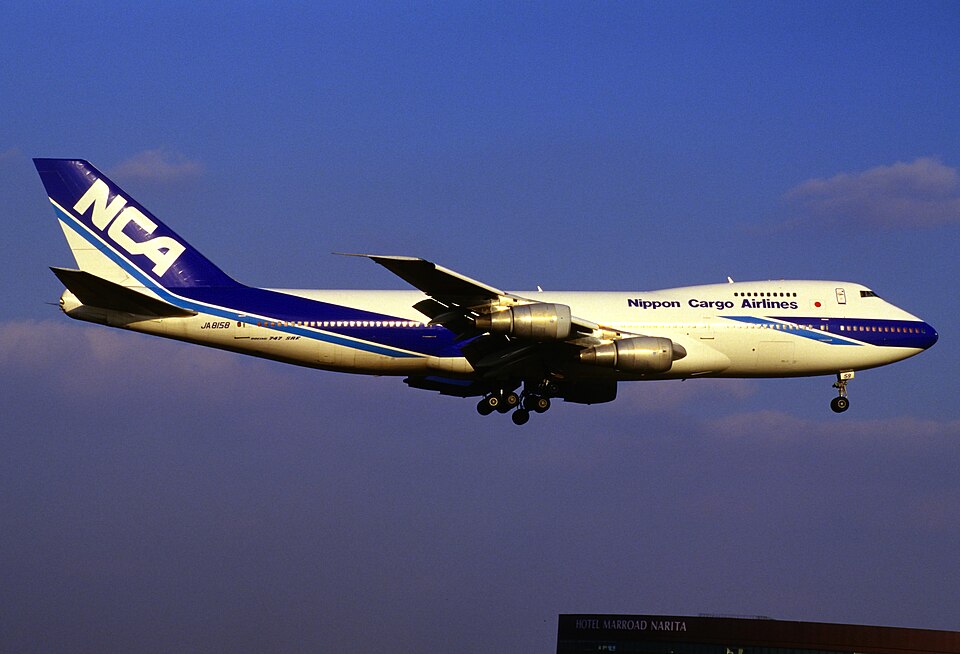
A non-scheduled international cargo flight operating under 14 CFR Part 129 experienced a rapid decompression while cruising at 30,000 feet mean sea level. The flight crew returned the aircraft to the departure airport without further incident.
Examination Findings
Post-incident examination of the aircraft revealed an elliptical tear in the right side of the pressure bulkhead web that separates the electronics service bay from the nose wheel well. The tear measured approximately 12 inches along a horizontal rivet line, with both ends of the torn skin turned downward at an angle of 80–90 degrees.
Fracture Analysis
The damaged area, located at station 260–280 and waterline 160–170, was excised from the structure for detailed fracture mechanism analysis. The examination disclosed that the web fracture initiated through fatigue from multiple origins on the outboard web surface within the pressure vessel. Ten distinct fatigue cracks propagated through the full thickness of the web before rapid ductile tearing occurred. Each fatigue crack developed adjacent to a fastener hole common with the waterline 170 beam and aligned with the edge of bonded strip doublers on the inboard surface (wheel well side).
Material and Maintenance History
The web material met all engineering specifications. At the time of the incident, the aircraft had accumulated 58,185 flight hours and 27,243 cycles/landings.
Inspection Criteria and Revision
Inspection criteria for the affected area were contained in the manufacturer's Service Bulletin and its Alert Revisions 1 through 4. Following the examination of the incident aircraft, Alert Revision 4 was amended to specify more frequent inspections of the affected area.