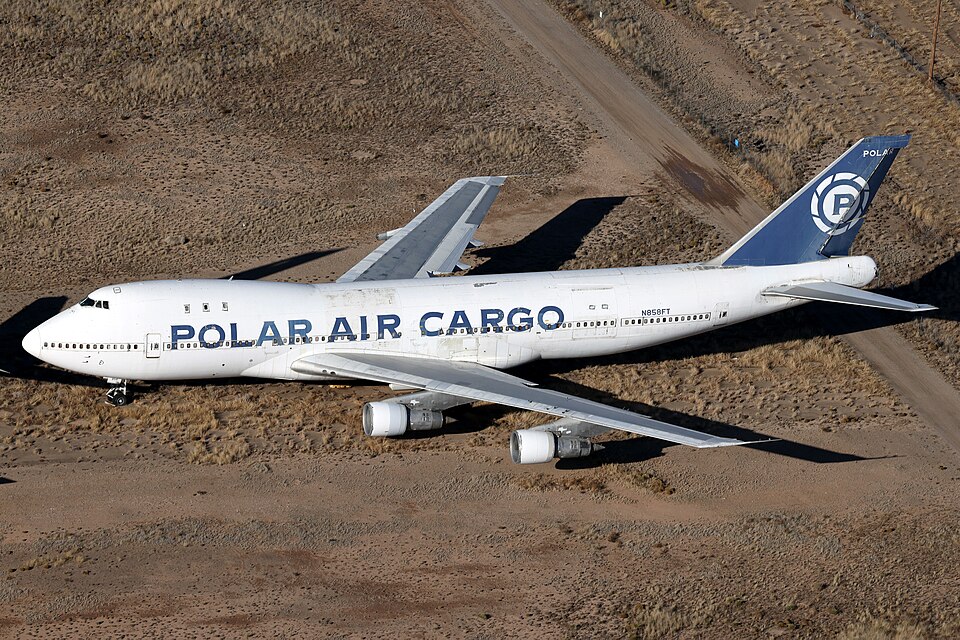
Incident Overview
A cargo flight operating under 14 CFR Part 121 experienced an under-cowl fire in the number four engine during the takeoff phase. The flight crew responded by shutting down the affected engine and activating the fire extinguishing system. The aircraft subsequently returned to the departure airport without further incident.
Post-Event Inspection
Following the event, an inspection of the engine revealed that the entire outboard engine cowl was missing, and the engine exhibited extensive fire damage. Examination of the fuel system identified a fuel tube that had separated from the coupler attaching it to the oil cooler, resulting in a gap of approximately one-half inch. The fuel tube, about one and one-quarter inches in diameter and operating at a working pressure of about 200 psi, was part of the oil cooler assembly, which uses a heat-exchange principle by exchanging heat via high-quantity fuel flow.
Examination of the Separation
The separation of the fuel tube assembly connection occurred at the brazed sleeve joint between the ferrule and the fuel tube. Further examination and X-ray mapping revealed that the brazed joint did not meet the minimum requirement for filler material adhesion as specified in Aerospace Material Specification (AMS) 2664F for silver brazing.