Casualties unknown

2005-03-06: Boeing 757-232 (N6710E) — Boston, MA

Boston, MA, US

On March 6, 2005, a Boeing 757-232 (registration N6710E) was involved in an aviation accident near Boston, MA. Investigators recorded the probable cause as: The first officer's misjudgment of a perceived threat, which resulted in the captain's excessive braking and subsequent injury to a flight attendant. A factor was the night lighting conditions. This summary draws on records from the U.S. National Transportation Safety Board (NTSB) historical archive; 7 related events involving the same aircraft type or operator are linked below.

Sourcesthe U.S. National Transportation Safety Board (NTSB) historical archivePrimary reportUpdated 1781061362Data APIEditorial standards
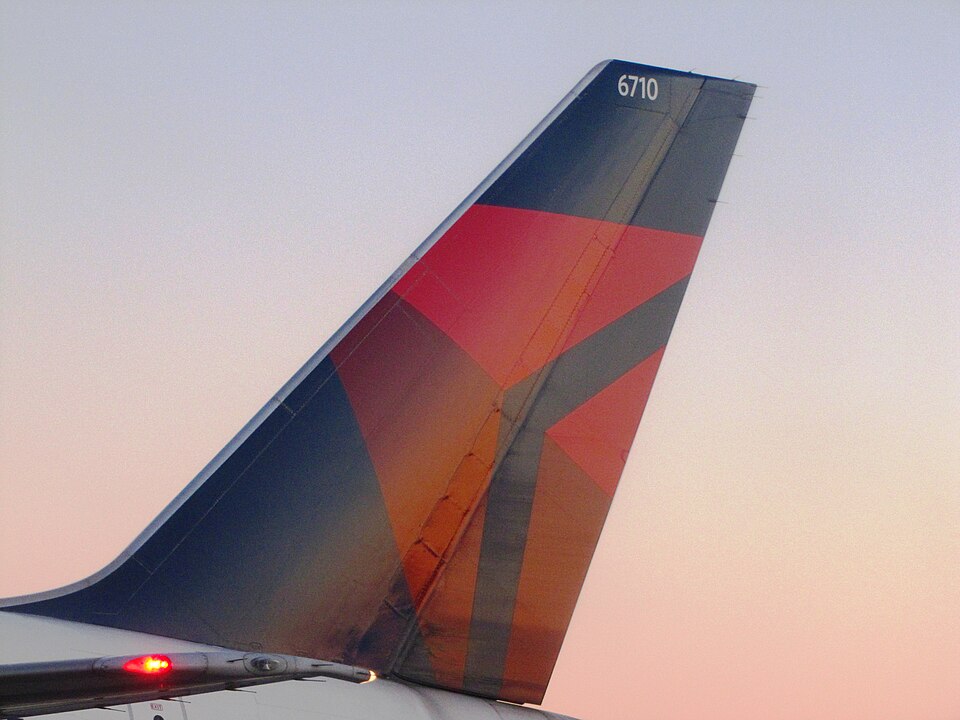
Aircraft registered N6710E
Aircraft registered N6710E. Photo: redlegsfan21 from Vandalia, OH, United States / CC BY-SA 2.0, via Wikimedia Commons

During night taxi at approximately 12 knots, a captain executed an abrupt stop after the first officer yelled, causing flight attendant injuries including a herniated disk. The aircraft returned to the gate.

Incident Overview

While taxiing at night toward a runway intersection at a speed of about 12 knots, the first officer abruptly yelled, "stop the aircraft." The captain immediately brought the airplane to a halt. After confirming there was no immediate danger to the aircraft, the crew discovered that one of the flight attendants had injured her elbow. The captain decided to return the airplane to the gate, where the injured flight attendant was replaced.

Additional Injuries

Two other flight attendants reported some bruising but felt capable of continuing the flight. During the en route portion of the flight, one of these flight attendants informed the captain of back pain, while the other felt nauseous. After landing, both flight attendants were taken to a hospital for further evaluation. One was released, but the other remained hospitalized for more than 48 hours with a herniated disk.

First Officer's Explanation

The first officer stated that his command to stop was prompted by the presence of another airplane on the crossing runway. He believed the other aircraft might be holding in position for takeoff and wanted to ensure that his own airplane was on the correct taxiway before crossing the runway.

Investigation report by the U.S. National Transportation Safety Board (NTSB) historical archive. Original record: https://carol.ntsb.gov/event/20050413X00446. This page is a structured re-presentation; facts and quotes are in the National Transportation Safety Board (NTSB), United States.