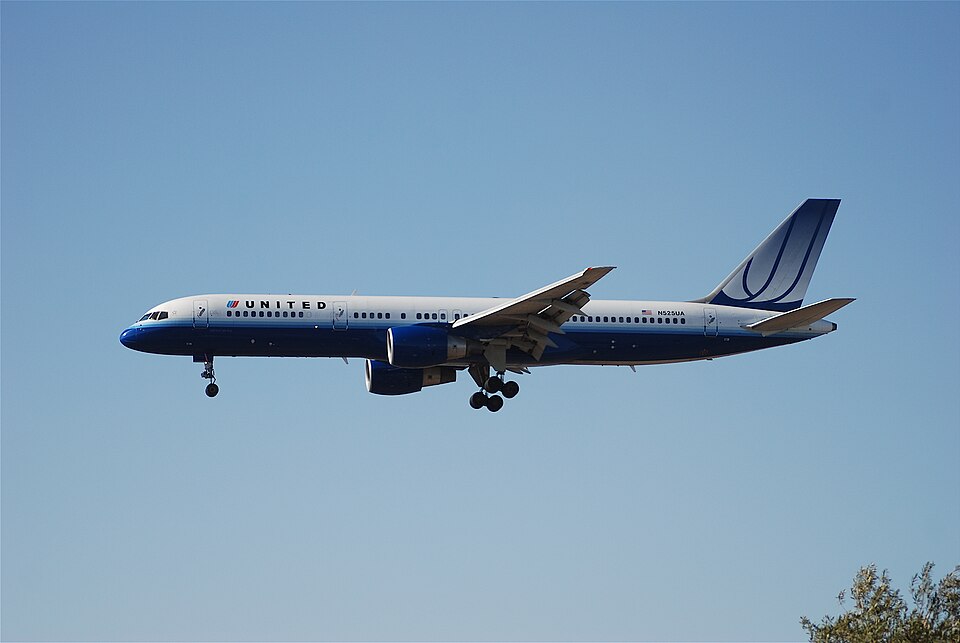
Incident Overview
While cruising at flight level 400 (40,000 feet), the flight deck received information about turbulence below 12,000 feet. The captain instructed the flight attendants to secure the cabin and be seated within 15 minutes. During descent around FL250 (25,000 feet), the first officer made a 'prepare for landing' announcement, which included an additional comment that the turbulence would not be as severe as experienced during departure. This announcement occurred after the captain's instructions but before the 15-minute window had elapsed.
Turbulence Event
As the aircraft descended through 15,500 feet, it encountered a moderate jolt lasting 1–2 seconds. By that time, more than 15 minutes had passed since the captain's instructions. The cabin crew reported injuries to all six flight attendants; no passengers were injured. All flight attendants received medical attention after landing, with one sustaining a serious closed fibular fracture and the other five suffering minor injuries.
First Officer's Announcement
The first officer explained that turbulence during departure had been severe, and to mitigate passenger anxiety, he added in the landing announcement that the turbulence would not be as bad as before. He stated that his announcement was directed solely at passengers and not intended to alter the captain's instructions to the cabin crew.
Flight Attendant Interpretation
The flight attendants confirmed understanding the captain's directive to clean up and be seated within 15 minutes. However, as they were finishing cabin preparation, the first officer's announcement indicated that the turbulence would be milder than expected. The flight attendants may have interpreted this as a relaxation of the earlier instructions, potentially affecting their readiness.
Data Recorder Analysis
The Digital Flight Data Recorder (DFDR) recorded the turbulence as the aircraft exited a 12-degree right bank at a pressure altitude of 15,400 feet. The event lasted approximately 10–11 seconds. During this period, the bank angle ranged from 8 to 1 degrees right wing down. Vertical acceleration varied between 0.5 G and 2.06 G, with a longitudinal spike of 0.2 G coinciding with the peak vertical acceleration. Lateral acceleration fluctuated between 0.1 G left and 0.05 G right. The data confirmed that the autopilot was engaged and in control throughout the incident.