Background
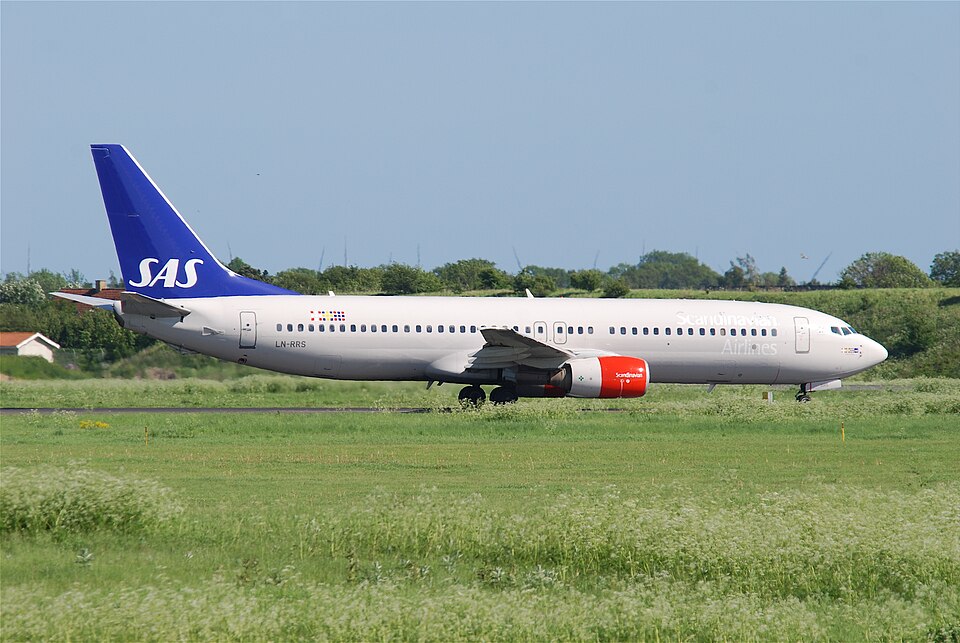
On 24 November 2014, at 0834 local time, a Boeing 737-800 operated by Scandinavian Airlines System (SAS) as flight 4009 was involved in a ground collision at Stavanger Airport, Sola (ENZV). The aircraft, registration LN-RRS, had just landed and was cleared by the ground air traffic controller to taxi to the terminal via taxiway P. The flight crew consisted of two pilots and four cabin crew members; there were 103 passengers on board.
Event Sequence
Approximately 30 seconds after the taxi clearance, the driver of a SAS de-icing truck began moving from the de-icing apron. The driver crossed a red safety line and entered taxiway P without obtaining the required clearance. Another 30 seconds later, the driver radioed the ground controller, stating he was at the de-icing stand and requesting permission to cross taxiway L and continue to the terminal. The controller instructed him to hold position; after another SAS aircraft had passed, the driver was cleared to proceed toward the terminal.
Meanwhile, as the SAS aircraft neared taxiway P, both pilots saw the de-icing truck on the left side, positioned just outside the double yellow taxiway edge line. The commander commented that the truck was close but "at least outside." Although the commander considered the distance safe, he moved the aircraft a few meters to the right of the centerline for extra margin. Immediately after, the aircraft collided with the truck.
Aftermath
No persons were injured. The de-icing truck and the outermost 1.6 meters of the left wing tip sustained significant damage. The crew informed the ground controller of the collision, but no crash alarm was activated, and the commander continued taxiing to the terminal. Five of the six crew members operated subsequent flights later that day.
The airline, the ground handling operator, and the airport authority conducted internal investigations and proposed several corrective actions to reduce the likelihood of recurrence. The Accident Investigation Board Norway (AIBN) noted that ground collisions are relatively common and that other investigation authorities, such as the NTSB and AAIU, had already issued safety recommendations concerning anti-collision aids like wingtip cameras. Consequently, AIBN did not issue any further safety recommendations regarding this incident.