What happened
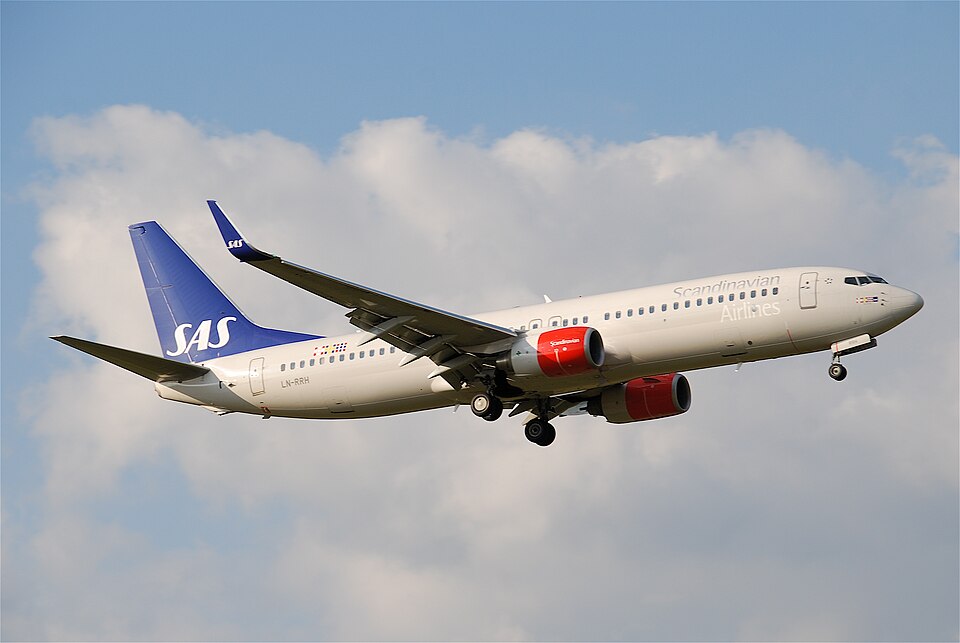
On May 10, 2022, an SAS flight, operating as SAS4026, was en route from Stavanger Airport, Sola, to Oslo Airport, Gardermo and encountered sudden, severe turbulence northeast of Notodden. The aircraft, a Boeing 737-883, registration LN-RRH, was descending through 21,000 feet when it entered unstable air masses. While the flight crew had anticipated light to moderate turbulence based on weather charts, the actual intensity was much greater.
Inside the cabin, the turbulence was particularly violent in the rear section. Three cabin crew members were in the aft galley at the time, managing service carts. The force of the turbulence threw the crew members and two 60 kg service carts toward the ceiling. One crew member was pinned under a cart, resulting in one serious injury involving extensive fractures. Two other crew members sustained minor injuries, and one passenger, who was not wearing a seatbelt, struck their head on an overhead bin, resulting in a minor injury.
The investigation
The Norwegian Safety Investigation Authority (NSIA) examined the meteorological conditions, flight data, and crew procedures. The investigation focused on why the turbulence was so severe and why the crew decided to continue their subsequent flight schedule. Investigators reviewed weather reports from the Norwegian Meteorological Institute, which indicated that the turbulence likely resulted from a combination of Clear Air Turbulence (CAT) and turbulence related to cumulonimbus clouds.
Findings
- The primary cause of the accident was the aircraft entering unexpectedly severe turbulence that could not have been predicted by the flight crew.
- The turbulence occurred in clear air at 21,000 feet, making it undetectable by the aircraft's weather radar.
- The 'Fasten Seat Belt' sign had not yet been activated, as the aircraft was still 23 minutes from arrival and the crew had not yet reached the threshold for mandatory activation based on standard procedures.
- The severity of the turbulence in the aft section was significantly higher than in the forward section, leading to the unsecured service carts and crew injuries.
Safety action
While the crew managed the immediate emergency professionally, the NSIA noted that the captain did not follow company procedure regarding post-incident support. According to SAS operational manuals, the captain should have contacted the Flight Operations Duty Manager to assess the crew's fitness for continued duty. The investigation concluded that the crew should have been taken off their subsequent flight to Bodø to ensure proper recovery and assessment.