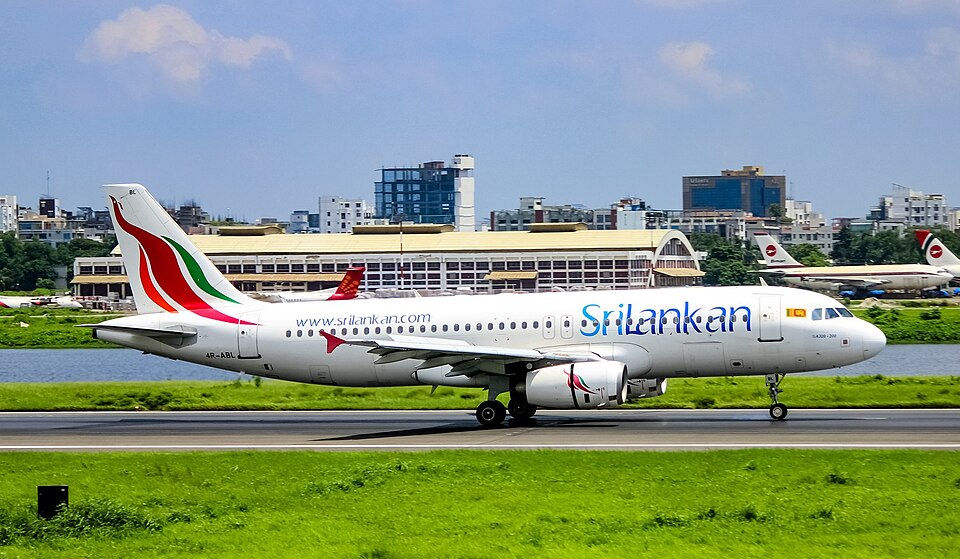
Investigation reveals crew error and reporting discrepancies in SriLankan Airlines incident

Casualties unknown • En-route to Colombo (TRZ to CMB), LK

An investigation into a 2014 SriLankan Airlines flight from Tiruchirappalli found that the crew failed to follow standard procedures and provided inaccurate technical reports.

What happened

On October 8, 2014, an Airbus A320-200, registration 4R-ABL, operated by SriLankan Airlines, departed Tiruchruaryppalli International Airport, India, bound for Colombo, Sri Lanka. During the initial climb phase, the pilot in command (the pilot not flying) manually adjusted the number one engine thrust levers below 400 feet to address what he perceived as an unusual noise. This action was taken without notifying the pilot flying or confirming the maneuver with the crew.

As a result of this uncoordinated action, the landing gear remained extended throughout the climb. This configuration caused a significant reduction in climb performance and increased fuel consumption. Due to the high fuel burn, the crew determined the flight could not continue to its destination and elected to return to Tiruchirappalli. The aircraft landed safely, and the unusual noise ceased once the landing gear was retracted during descent.

The investigation

The investigation was prompted by a Mandatory Occurrence Report (MOR) submitted by the crew, which alleged engine thrust fluctuations, vibrations, and a fuel imbalance warning. However, analysis of the Digital Flight Data Recorder (DFDR) by the manufacturer contradicted several claims made in the initial report. The investigation examined the flight recorder data, crew interviews, and airline maintenance records to reconcile the discrepancies between the pilot's report and the actual flight parameters.

Findings

  • The primary cause of the incident was the failure of the flight crew to adhere to approved Standard Operating Procedures (SOPs) during the takeoff and climb phases.
  • The pilot in command provided inaccurate information in the technical log and MOR, including false claims of engine thrust fluctuations, FMS data loss, and fuel leak procedures that were not supported by DFDR data.
  • The crew demonstrated poor situational awareness and ineffective Crew Resource Management (CRM).
  • The investigation found that the pilot in command likely concealed the fact that the landing gear remained extended, which was the true source of the noise and performance issues.
  • The airline failed to provide adequate training regarding engine stalls and maintained ineffective flight monitoring systems.

Safety action

  • The airline is required to ensure strict adherence to SOPs and improve the accuracy of technical reporting.
  • Recommendations were made to enhance the airline's Flight Data Analysis (FDA) program and improve the effectiveness of the Safety Management System (SMS).
  • The airline should implement more robust training for crews regarding engine stall emergencies and situational awareness.

Probable cause

The incident was caused by the flight crew's failure to follow standard operating procedures during takeoff, compounded by the airline's failure to provide adequate emergency engine stall training.

Frequently asked questions

What happened in the 2014-10-08 aircraft accident near En-route to Colombo (TRZ to CMB), LK?

An investigation into a 2014 SriLankan Airlines flight from Tiruchirappalli found that the crew failed to follow standard procedures and provided inaccurate technical reports.

What aircraft was involved and where did it happen?

The accident on 2014-10-08 involved a aircraft, registration 4R-ABL, operated by SriLankan Airlines, at En-route to Colombo (TRZ to CMB), LK.

What was the probable cause of the accident?

The incident was caused by the flight crew's failure to follow standard operating procedures during takeoff, compounded by the airline's failure to provide adequate emergency engine stall training.

Loading the flight search…