Synopsis
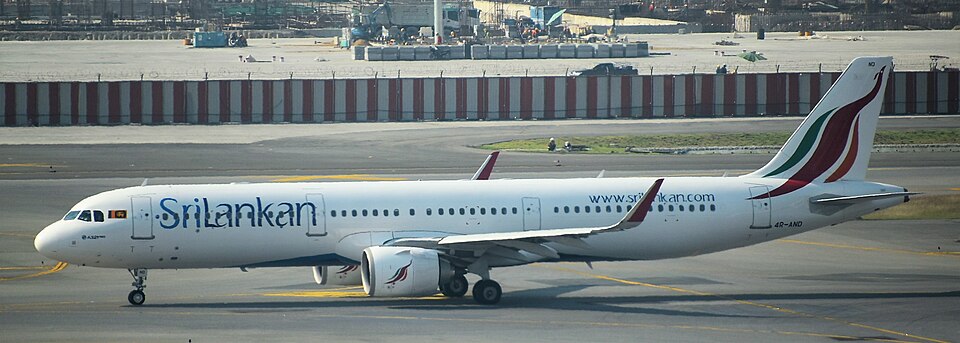
On 2 December 2020, SriLankan Airlines Flight UL190, an Airbus A321-251 (registration 4R-AND, MSN 07697), was scheduled to fly from Hazrat Shahjalal International Airport (VGHS), Dhaka, Bangladesh to Bandaranaike International Airport (VCBI), Katunayake, Sri Lanka. The aircraft carried 77 passengers and 8 crew, including two technical crew members.
History of the Flight
The outbound flight from VCBI to VGHS on 1 December 2020 proceeded without incident. On the return leg, approximately two hours after departure, while in cruise at Flight Level 360 in Indian airspace, the aircraft experienced a NAV ADR disagree and a reversion to Flight Alternate Law. The flight crew executed the required ECAM (Electronic Centralized Aircraft Monitoring) procedures. They contacted Indian Air Traffic Control to report their inability to maintain RVSM (Reduced Vertical Separation Minimum) and to request weather information for both Colombo and Chennai. Due to heavy rain reported at the destination (Colombo) and the multiple failure status of the aircraft, the Pilot in Command decided to divert to Chennai International Airport (VOMM), India. The aircraft landed safely in Chennai without further incident.
Injuries and Damage
No injuries to persons were reported. The aircraft sustained no structural damage, and no other property damage occurred.
Aircraft Information
The aircraft was an Airbus A321-251, manufacturer serial number 07697, registered in Sri Lanka (4R-AND). The registered owner was AerCap Global Aviation Trust of Ireland. The operator was SriLankan Airlines Ltd, based at Bandaranaike International Airport, Katunayake, Sri Lanka.
Investigation
The Civil Aviation Authority of Sri Lanka (CAASL) categorized the occurrence as a serious incident. An Aircraft Accident Investigation Board (AAIB) was appointed, consisting of two members from airworthiness and flight operations. France, as the State of Manufacture, appointed an accredited representative from BEA with technical advisors from Airbus and EASA. The Transport Safety Investigation Bureau (TSIB) of Singapore assisted with the analysis of the Digital Flight Data Recorder (DFDR). The investigation aimed to prevent recurrence of similar incidents and not to apportion blame or liability.