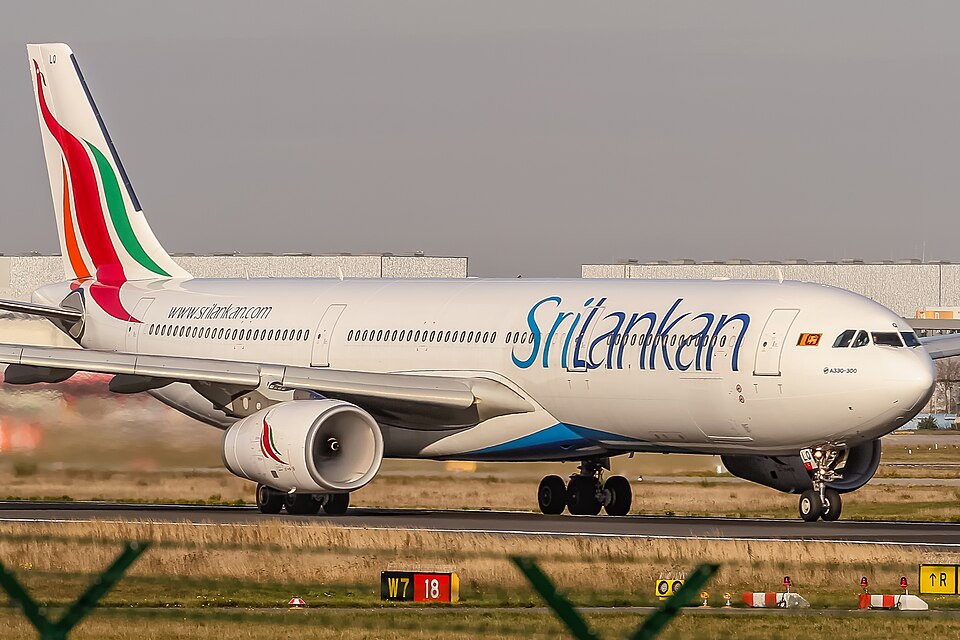
Cockpit Smoke Incident Forces Overweight Return to Melbourne

Casualties unknown • During climb at about FL220, 60NM North-West of Melbourne International Airport to Bandaranayake International Airport (VCBI), Colombo, Sri Lanka, LK

An Airbus A330-300 experienced cockpit and cabin smoke during climb, leading to an emergency descent and an overweight landing in Melbourne.

What happened

On 12 February 2024, a SriLankan Airlines Airbus A330-300, registration 4R-ALQ, was performing a scheduled commercial flight from Melbourne to Colombo. While climbing through flight level 220, approximately 60 nautical miles northwest of Melbourne International Airport, the flight crew observed a strong burning odor and visible smoke entering the cockpit through the air conditioning vents. The smoke was accompanied by the presence of metal dust particles.

In response to the deteriorating visibility, the pilot in command immediately deactivated both air conditioning packs and initiated a rapid descent to flight level 90. The crew donned oxygen masks, and the operating first officer declared a "MAY DAY" via radio. Simultaneously, the cabin crew reported smoke within the passenger cabin.

To manage the aircraft's weight, the crew requested a further descent to flight level 70 to burn fuel, as the aircraft was significantly above its maximum landing weight. Despite the emergency, the crew informed air traffic control that the smoke was under control and requested only local priority. The aircraft eventually performed an unscheduled, overweight landing at Melbourne International Airport without further incident.

The investigation

The investigation focused on the air conditioning system to identify the source of the smoke and metal particles. Technical examinations of the aircraft's air conditioning components revealed that the No. 1 Air Cycle Machine (ACM) had experienced a catastrophic failure.

Investigators examined maintenance records and found that the ACM had been in service since the aircraft's delivery in 2015. Because the Maintenance Planning Document (MPD) contained no specific inspection, cleaning, or removal tasks for this component, it had not undergone specialized servicing since installation. A manufacturer evaluation of the failed unit noted that the internal damage was so extensive that the specific trigger for the failure could not be determined.

Findings

  • The primary cause of the smoke and metal dust was the seizure of the Air Cycle Machine (ACM) within the number one air conditioning pack.
  • The rotating assembly of the ACM suffered excessive internal damage and disintegration.
  • The aircraft was operating within its airworthiness and maintenance requirements, but no specific MPD tasks existed for the inspection or cleaning of the ACM.
  • The flight crew successfully managed the emergency, transitioning from a MAY DAY declaration to a local priority status once the smoke was contained.

Probable cause

The seizure of the Air Cycle Machine (ACM) in the aircraft's number one air conditioning pack caused the smoke and metal dust to enter the cockpit and cabin.

All Airbus A330-300 accidents →

Frequently asked questions

What happened in the 2024-02-12 Airbus A330-300 accident near During climb at about FL220, 60NM North-West of Melbourne International Airport to Bandaranayake International Airport (VCBI), Colombo, Sri Lanka, LK?

An Airbus A330-300 experienced cockpit and cabin smoke during climb, leading to an emergency descent and an overweight landing in Melbourne.

What aircraft was involved and where did it happen?

The accident on 2024-02-12 involved a Airbus A330-300, registration 4R-ALQ, operated by SriLankan Airlines, at During climb at about FL220, 60NM North-West of Melbourne International Airport to Bandaranayake International Airport (VCBI), Colombo, Sri Lanka, LK.

What was the probable cause of the accident?

The seizure of the Air Cycle Machine (ACM) in the aircraft's number one air conditioning pack caused the smoke and metal dust to enter the cockpit and cabin.

Loading the flight search…