History of the Flight
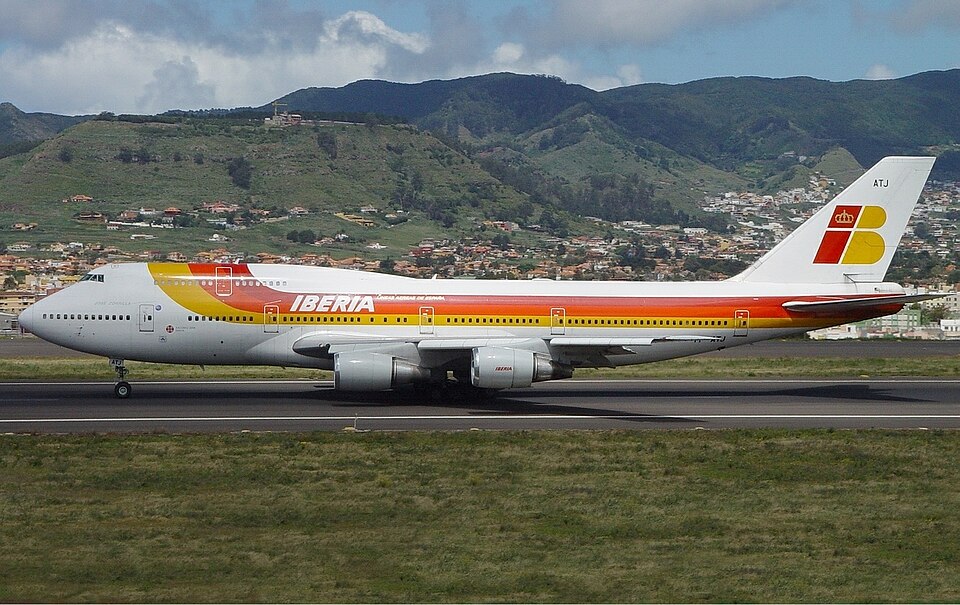
On 26 February 2004, at 00:37 UTC, Iberia L.A.E. flight IB-6740 departed from Ezeiza Airport in Buenos Aires, Argentina, bound for Madrid, Spain. The aircraft, a Boeing B747-300 registered TF-ATJ, carried 401 passengers and 19 crew members. The departure was delayed by 36 hours due to aircraft unavailability. According to the operational flight plan, the route was to overfly the Brazilian Atlantic coast before entering the Atlantic Ocean tropical zone, then proceed toward the Isle of La Sal and the Canary Islands. The scheduled flight duration was 10 hours 55 minutes. During the flight, the Brasilia Control Centre approved a course deviation at the captain's discretion to avoid a weather front. The flight progressed normally, with passenger service completed and cabin lights dimmed after about five hours.
Injuries and Response
At 05:57 UTC, while overflying the equator over Atlantic international waters at flight level 340, the aircraft encountered sudden moderate-to-strong turbulence. The turbulence caused serious injury to one passenger, who exhibited signs of hemiplegia. Eleven other passengers and one flight attendant suffered light concussions or anxiety attacks. The aircraft was not damaged. The crew diverted the aircraft to Las Palmas Airport, where the seriously injured passenger was disembarked for medical assistance.
Weather and Turbulence
Significant weather charts at cruise flight levels forecast a large front near 25° South and a turbulence area near the Canary Islands, but no turbulence was forecast in the area where the accident occurred. There were no visible clouds at the time of the encounter. No turbulence announcements were made, and the fasten seat belt signs remained off.
Probable Cause
The accident was caused by an encounter with moderate-to-strong clear air turbulence that had not been forecast for that area.