Background
The central de-icing facility (CDF) at Toronto/Lester B. Pearson International Airport (LBPIA) uses a radio communication system to coordinate de-icing operations. Aircraft are directed to pads via a 'Follow Me' truck and a signboard displaying 'Stop' or 'Exit Now.' Zone de-icing controllers (ZDCs) communicate with de-icing vehicle operators on a UHF frequency. Standard operating procedures assign vehicle teams to each side of the aircraft in safe zones. A lead operator is responsible for advising when the south or north team has returned to the safe zone, after which the ZDC passes a 'de-icing strip' to Iceman (the ground controller overseeing the facility), who then authorizes the aircraft to taxi.
Event Sequence
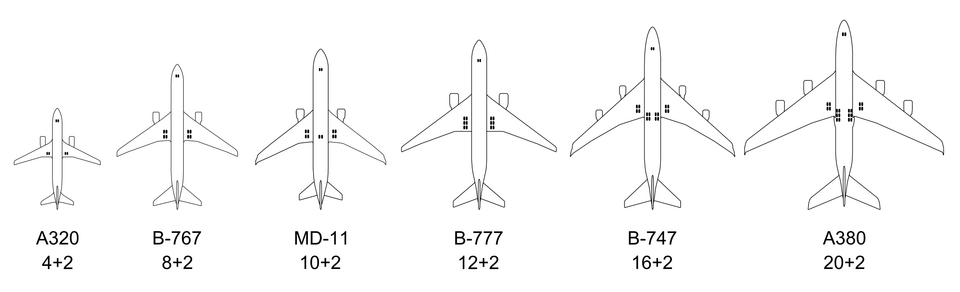
On the evening of the occurrence, only one ZDC was on duty, managing four de-icing pads instead of the usual three. Lufthansa flight DLH471, a Boeing 747-430, was parked at pad 5. De-icing proceeded normally until the operator of beta truck 13 noticed the right wing root was still contaminated after the initial application. Unable to contact the ZDC on the congested UHF frequency, the operator remained positioned ahead of the right wing, about 15 feet inboard of the wing tip.
Meanwhile, the south side team completed de-icing and called '5 south safe.' The ZDC, hearing numerous overlapping transmissions, mistakenly assumed both north and south teams had called safe and passed the de-icing strip to Iceman. Iceman then changed the signboard to 'Exit Now' and verbally authorized the aircraft to taxi. The flight crew, after visually checking through the flight deck windows (though window posts may have created blind spots), increased thrust to move forward.
Collision and Aftermath
As the aircraft moved, the right leading edge of the wing struck the extended boom of beta truck 13, tipping the vehicle onto its right side. The operator sustained non-life-threatening injuries to the head, face, and lower left leg. The vehicle's cab was destroyed, and the wing skin of the Boeing 747 was damaged. A nearby vehicle operator radioed a mayday, prompting Iceman to instruct all aircraft to hold positions and DLH471 to shut down engines. Airport emergency services were coordinated.
The accident occurred at 2146 Eastern Standard Time, several hours after sunset. The CDF was well lit, and weather conditions were not a factor.
Contributing Factors (as described in the report)
The source states that 'several factors created the unsafe situation,' including task saturation due to operating four pads with one ZDC, UHF radio congestion, inadequate training in radio telephone procedures, and the lack of a fail-safe method to confirm beta truck positions before taxi authorization. Notably, procedures did not limit the number of pads per ZDC or the number of operators on the UHF frequency, and there was no procedure for a vehicle to return for re-application of fluid.