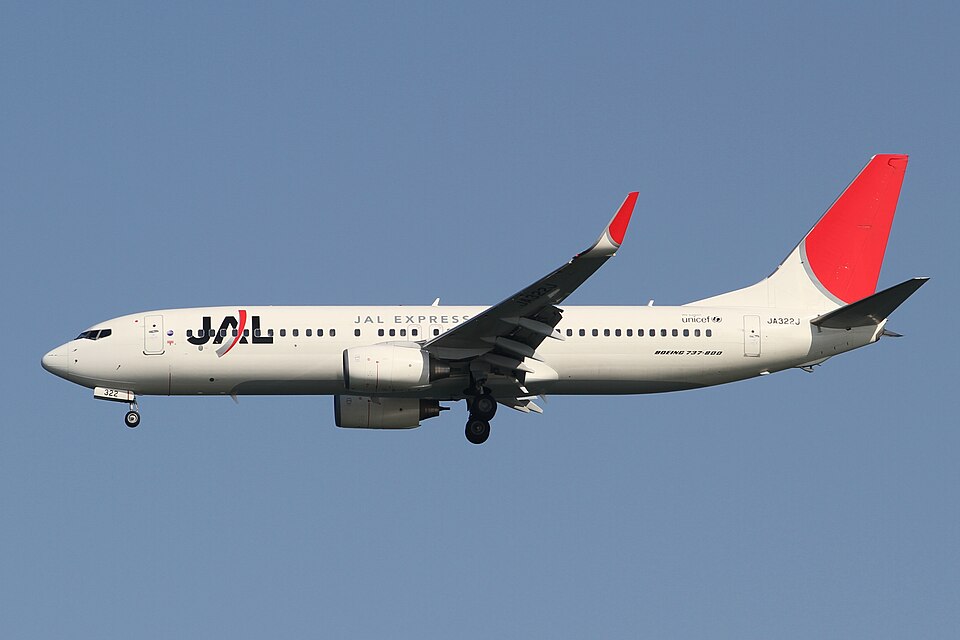
Accident Details
On Tuesday, February 23, 2016, a Boeing 737-800 registered as JA322J, operated by Japan Airlines Co., Ltd. as scheduled flight 3512, was pushed back from an apron and holding to taxi on a taxiway at New Chitose Airport, Japan, for departure to Fukuoka Airport. Snow began falling suddenly, and the captain decided to move to the designated apron for ice and snow removal. After the aircraft stopped on a taxiway due to worsening snow, odd smells and smoke were generated within the cabin, and a flame was observed at the rear of the No.2 engine (right side).
Emergency Evacuation
At around 15:10 JST, an emergency evacuation was conducted via the evacuation slide on Taxiway T2. The aircraft carried 165 people total: the captain, five other crewmembers, and 159 passengers.
Injuries
During the emergency evacuation, one passenger suffered serious injury, and two passengers suffered minor injuries. The aircraft was not damaged.
Probable Cause
The probable cause, as stated in the investigation report, is that heavy snow became intense due to rapid weather deterioration, and because icing occurred on fan blades and the low-pressure compressor, engine oil leaked into the engine, vaporized into the cabin, and the leaked oil accumulated in the tailpipe and caught fire. This led to odd smells and smoke in the cabin and a sustained flame at the rear of the No.2 engine, prompting the flight crew to conduct an emergency evacuation. A passenger descending the slide fell to the ground from the hip of the passenger and suffered serious injury.