History of the Flight
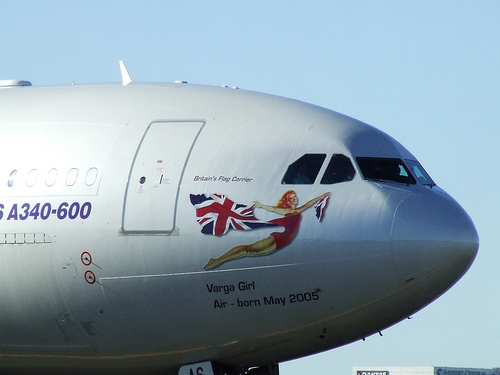
On 23 February 2017, an Airbus A340-642, registration G-VGAS, departed London Heathrow Airport at 1600 hrs on a commercial passenger flight to John F. Kennedy International Airport, New York. The aircraft carried 198 passengers and 14 crew members. At 2254 hrs, while cruising at Flight Level 400 approximately 200 nautical miles northeast of Boston, Massachusetts, the ECAM displayed a CAB PR EXCESS CAB ALT warning, indicating an excessive cabin altitude.
Crew Actions
Despite the pressurisation system display showing no abnormalities, the ECAM warning persisted. Two crew members and both pilots reported symptoms they believed to be hypoxia. The pilots initiated a descent. When passing FL 260, the ECAM warning extinguished, and the crew elected to level off at FL 250 and continue toward the destination. Approximately 30 minutes later, the ECAM warning reappeared. The pressurisation system display again showed normal indications, but the pilots descended to 11,000 ft and opted to proceed to JFK, where the aircraft landed without further incident.
Assessment of Cause
Data from the aircraft revealed a fault in Cabin Pressure Controller 1 (CPC1) at the time of the first warning. Engineers suspected that the CPC1 failure caused the cabin outflow valves to open, leading to an increase in cabin altitude. The warning is triggered when cabin altitude exceeds 9,550 ft. Subsequent inspection found five components within the CPC defective due to wear, but the suspected failure mode was not conclusively identified.