Incident Overview
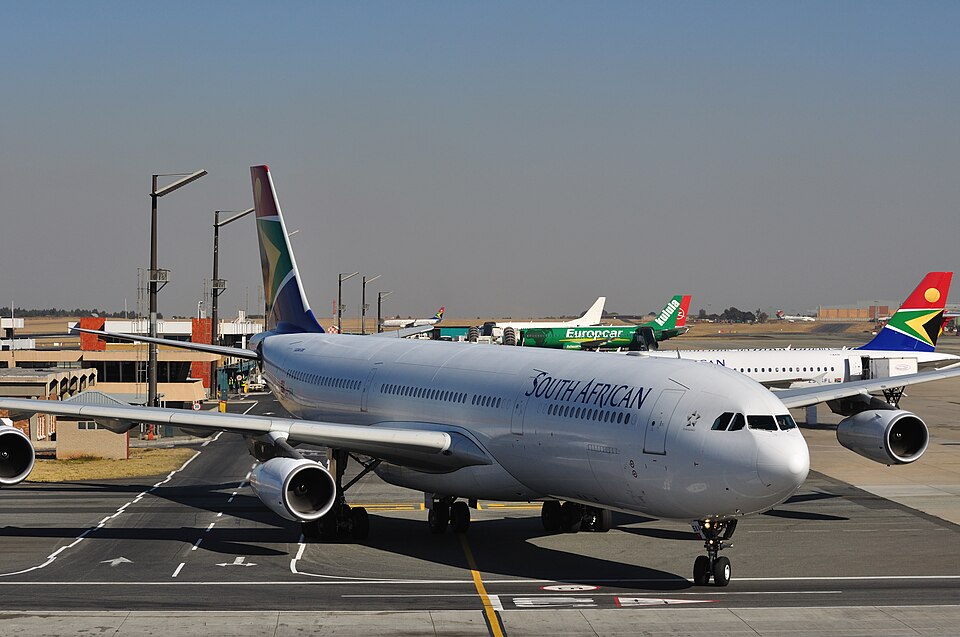
On 17 July 2014, South African Airways flight SA286, an Airbus A340-300E registered ZS-SXA, departed from O.R. Tambo International Airport in South Africa for Hong Kong International Airport. The aircraft carried 3 flight deck crew, 10 cabin crew, and 166 passengers (including one infant). While cruising at Flight Level 370 over Malaysian airspace, the aircraft suddenly encountered severe clear air turbulence and negative G forces at approximately 01:10Z. The turbulence lasted 6 to 8 seconds.
Injuries and Damage
The incident resulted in injuries to three cabin crew members and eighteen passengers. Among the crew, two sustained serious injuries and one minor injuries. Among passengers, two sustained serious injuries and sixteen minor injuries. The damage was limited to the cabin interior: overhead stowage panels were damaged when occupants struck them with their heads. Oxygen masks near door 3R deployed during the event.
Flight Crew Actions
At the time of the turbulence, the Senior First Officer (pilot flying) was out of the cockpit visiting the lavatory, and the Captain was resting on the crew rest bunk. The First Officer, who was occupying the left-hand seat, activated the cabin seatbelt signs and selected engine anti-ice to "ON" after hearing a noise like rain. The autopilot remained engaged. After the turbulence, the Captain was briefed and decided to continue to Hong Kong rather than divert. The crew requested priority landing and medical services.
Post-Incident Response
The aircraft landed safely at Hong Kong International Airport at 04:15Z. Medical personnel boarded and treated the injured; some were transported to hospitals. The Hong Kong Civil Aviation Authority interviewed crew and downloaded flight data recorder and cockpit voice recorder information, but determined the incident occurred outside their jurisdiction. The investigation was transferred to South Africa as the state of registry.
Probable Cause
The sudden severe clear air turbulence followed by negative G forces encountered during cruise flight caused 3 cabin crew members and eighteen passengers to be injured as they were not seated nor restrained at the time of the incident.