Incident Description
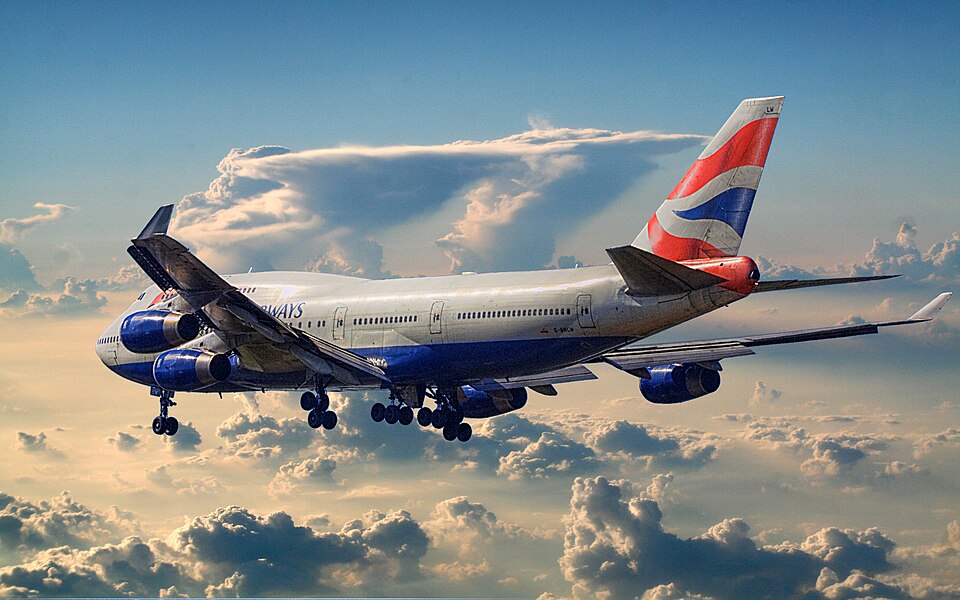
On 5 October 2015, shortly after a single ground power unit (GPU) was connected to Boeing 747-400, registration G-BNLW, at Cape Town International Airport, smoke was observed emanating from the GPU. The ground crew had experienced difficulty inserting the No. 1 lead into the aircraft's receptacle and had to "wiggle" the socket to achieve connection. After noticing the smoke, they disconnected the plugs and found them warm. An avionics engineer inspected the external receptacle pins and the Electrical and Equipment (E/E) bay but found no immediate anomalies. A subsequent GPU connection attempt failed, and the aircraft was later checked and deemed serviceable. It departed for London Heathrow Airport without further incident.
Examination Findings
Upon arrival at Heathrow, a detailed inspection revealed significant sooting and heat damage to the power cables in the E/E bay, with insulation in the underfloor compartment showing evidence of brief fire. The aircraft's structure was assessed, including eddy current testing, but no degradation in structural integrity was found. Examination of the two receptacles showed severe overheating of the neutral phases and signs of electrical arcing.
Assessment and Probable Cause
The operator determined that the most likely cause of the damage was misalignment of the GPU socket in the aircraft's ground power receptacle during connection. This could have resulted in 115V AC power being supplied to a pin with almost no load, causing a momentary power surge and electrical arcing. The limited air volume around the wiring may have helped prevent further damage.
Safety Action
Following the incident, the operator advised ground staff to watch for signs of heat damage to aircraft receptacles and GPU sockets and to ensure correct alignment when connecting ground power.