Incident Overview
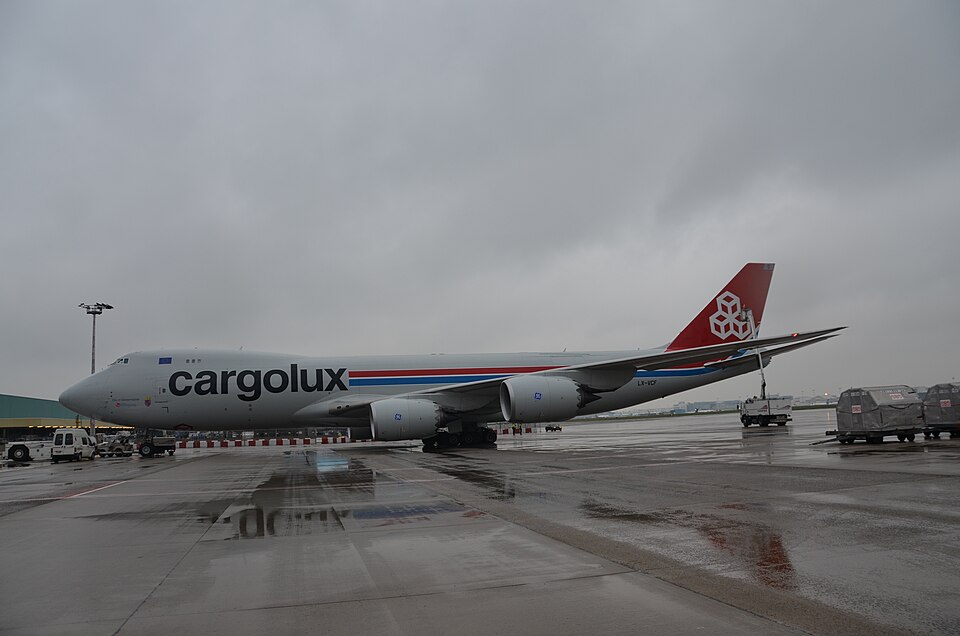
On 30 March 2017, a Boeing 747-8R7F freighter, registration LX-VCF, operated a scheduled cargo flight from Houston, Texas, to Luxembourg with an intermediate stop at Prestwick International Airport, UK. After landing at Prestwick, the flight crew smelled fuel during engine shutdown. A ground operations agent entering the main deck detected a strong fuel odor and heard liquid running. The source was identified as a Bell 412EP helicopter being shipped as cargo on the main deck. Fuel was leaking from a vent on the forward right-hand side of the helicopter. The airport emergency response plan was activated. Rescue and Fire Fighting Services (RFFS) found fuel exiting the lower fuselage near the left body landing gear, having leaked through the main and lower decks and avionics bay, pooling on the apron. The aircraft was evacuated, electrically isolated, and quarantined. Fuel vapor levels indicated a high risk of explosion. After the aircraft was made safe, all cargo, including the helicopter, was offloaded manually.
Examination Findings
On 4 April 2017, representatives from the aircraft operator, the UK CAA, the airport authority, the helicopter owner, and the owner's insurer examined the aircraft and helicopter. The helicopter was encased in shrink-wrap and secured to a 20 ft pallet occupying three loading positions on the right side of the main deck. Some fuel was present in the pallet wells, and securing straps were fuel-soaked. The shrink-wrap had been applied leaving the forward right-hand fuel vent exposed, while the left-hand vent was completely sealed. No standing fuel was inside the shrink-wrap, but oil staining and absorbent pads were found. The helicopter's main battery, labeled as corrosive, was installed but disconnected. A fire extinguisher was secured in the cabin, and cardboard packages were present. The total pallet weight was 4,200 kg. The fuel filler cap was removed; the right upper fuel cell was approximately half full. After power-up, the cockpit fuel quantity indicator showed 1,440 lb of fuel. The helicopter was refueled to 2,160 lb, with 467 liters added per the fuel bowser. No leaks were observed during two hours of monitoring and overnight observation. Subsequent maintenance found no fuel system defects that could explain the leak.
Aircraft Damage
LX-VCF suffered extensive fuel contamination of its interior. After fuel vapors dissipated, floor panels, ceiling panels, and sidewall liners were lifted; contaminated insulation blankets were removed. All aircraft system electronics, avionics wire looms, and harnesses required decontamination. A ferry flight to the home base occurred on 11 April 2017. Subsequent actions to return the aircraft to airworthy condition included extensive inspections, cleaning, and application of corrosion-inhibiting fluid. All insulation blankets, lower deck ceiling liner panels, and some cargo loading system elements required replacement.
Background and Shipping Information
The Bell 412EP (serial number 36414) was sold by Bristow US LLC to Agrarflug Helilift GmbH in December 2016. Several agencies were involved in the sale and transport. The helicopter was disassembled and prepared by the seller's staff in Louisiana. A specialist company shrink-wrapped the fuselage. A road transport company moved the shipment to Houston Airport on 23 January 2017. The buyer's sales agent was absent during preparation; two assistants observed. The shipping agent booked the shipment with the operator on 23 January 2017, stating in writing that all fuels and batteries had been removed and the shipment was non-hazardous. The shipment, including nine loose crates and the helicopter, was delivered to the operator's facility on 26 January 2017. The Dangerous Goods Manager accepted it after documentation check and visual inspection. The shipment was held by US authorities until 21 March 2017. It was booked on a flight on 24 March 2017, but a lashing scheme issue occurred. The actual incident flight occurred on 30 March 2017.
The investigation determined that the helicopter had not been shipped in accordance with required provisions for air transportation; specifically, it had not been drained of fuel prior to transportation. Approximately 322 liters of fuel escaped during the flight. One Safety Recommendation was made concerning procedures for preparing helicopters for air transportation.