Incident Overview
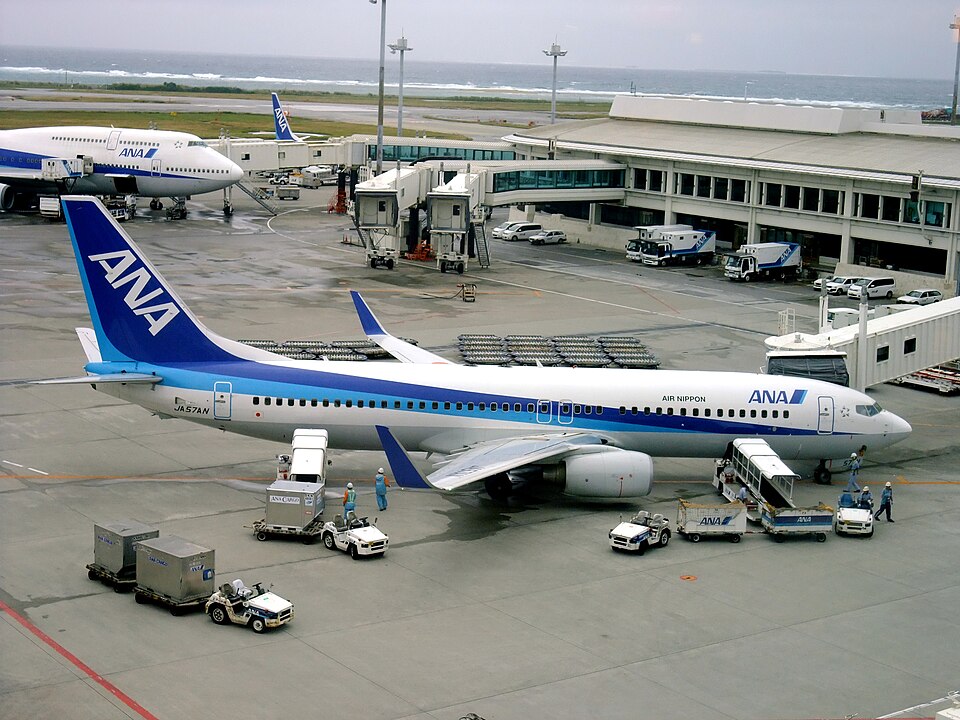
On December 8, 2012, at about 22:26 Japan Standard Time, a Boeing 737-800 registered as JA57AN and operated by All Nippon Airways Co., Ltd. overran the runway after landing at Shonai Airport. The aircraft came to a stop in a grass area adjacent to the runway. There were 167 persons on board: a pilot in command, five other crew members, and 161 passengers. No injuries were reported, and the aircraft sustained no damage.
Flight History
The aircraft operated as scheduled Flight 899 from Tokyo International Airport to Shonai Airport. It took off at approximately 20:56. During the descent, the crew received weather information from the company's Shonai Airport Office, including reports of snowfall and that runway snow/ice conditions were being measured. The crew began a localizer approach to Runway 27 after overflying the Shonai VOR. The wind was reported as 310° at 10 knots, and the temperature was 1°C.
Weather and Runway Conditions
At the time of landing, snowfall was occurring and temperatures were near freezing. The runway snow/ice conditions had been measured earlier, but the conditions changed due to continued snowfall and other elements after the measurement. This change negatively affected the braking force available on the runway.
Probable Cause
The Japan Transport Safety Board determined that it is highly probable that the overrun occurred because the aircraft failed to exert the expected braking force under the runway conditions that had been communicated to the crew. The changed runway conditions due to snowfall and near-freezing temperature after the snow/ice measurement adversely affected the expected braking performance.