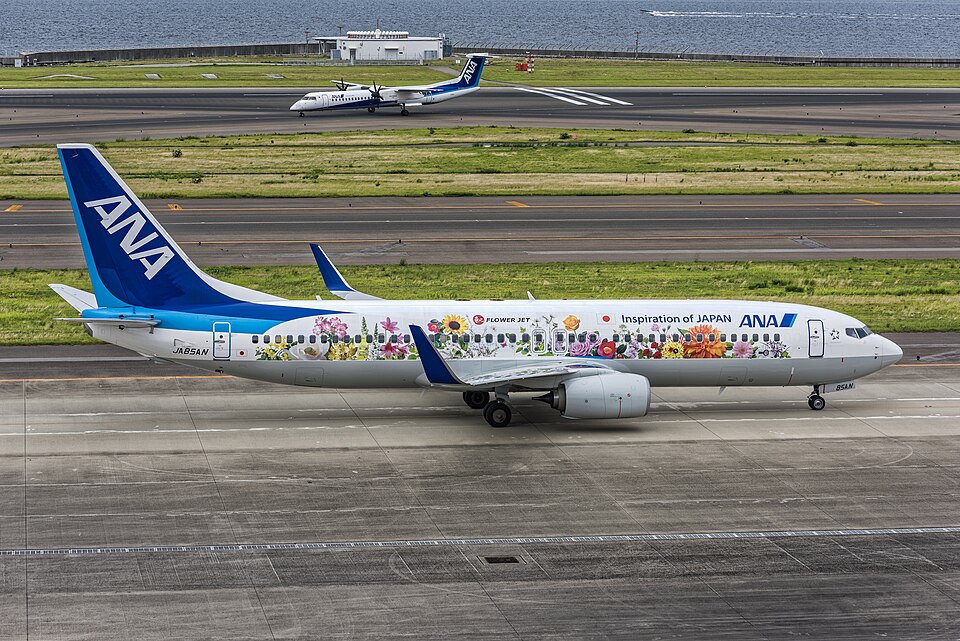
Dual Valve Failure Causes Cabin Depressurization on All Nippon Airways Flight

Casualties unknown • Tokyo International Airport, JP

A Boeing 737-800 experienced a sudden drop in cabin pressure during climb following the simultaneous malfunction of both air conditioning pack valves.

What happened

On May 27, 2016, an All Nippon Airways Boeing 737-800, registered JA85AN, departed from Tokyo International Airport as flight 561. Shortly after takeoff, while the aircraft was climbing, the left air conditioning pack shut down. This was followed by a subsequent shutdown of the right air conditioning pack, leading to a significant drop in cabin pressure.

As the cabin altitude rose to approximately 10,100 feet, a warning alarm activated. The flight crew responded by requesting a lower altitude and eventually transitioned the pressurization mode from automatic to manual. During the descent and subsequent level flight, the aircraft experienced rapid changes in cabin altitude, with one instance where the cabin altitude rose at an average rate of 9,500 feet per minute. This rapid pressure change caused a visible white mist in the cabin due to condensation and resulted in one passenger suffering minor ear injuries. The aircraft returned to Tokyo International Airport and landed safely at 09:11 JST.

The investigation

The Japan Transport Safety Board (JTSB) conducted an extensive investigation involving the examination of flight data recorders, cockpit voice recorders, and the aircraft's maintenance history. Investigators performed ground and flight tests, as well as a detailed teardown inspection of the electronic Flow Control Valves (eFCV). The investigation also included functional testing of the air conditioning accessory units, flow sensors, and pressure sensors. The JTSB worked alongside the aircraft manufacturer, Boeing, and the equipment manufacturer, Honeywell, to analyze the failure of the valves.

Findings

Technical analysis revealed that the primary cause of the depressurization was the simultaneous failure of the electronic Flow Control Valves (eFCV) for both the left and right engine bleed air intakes. In both instances, the reference regulators inside these valves became stuck. This caused the valves to close unexpectedly due to rising bleed pressure, preventing the necessary air supply to the air conditioning packs.

Because both packs had identical service hours and had been operated in the same environment, they were susceptible to the same mechanical failure. The flight crew and maintenance personnel had not previously identified a pattern of temporary shutdowns in the left pack, allowing the condition to persist until the second pack failed during the climb.

Probable cause

The incident was caused by the simultaneous shutdown of both air conditioning packs because the reference regulators within the electronic Flow Control Valves (eFCV) became stuck, leading to the unintended closure of the valves under rising bleed pressure.

All Boeing 737-800 accidents →

Frequently asked questions

What happened in the 2016-05-27 Boeing 737-800 accident near Tokyo International Airport, JP?

A Boeing 737-800 experienced a sudden drop in cabin pressure during climb following the simultaneous malfunction of both air conditioning pack valves.

What aircraft was involved and where did it happen?

The accident on 2016-05-27 involved a Boeing 737-800, registration JA85AN, operated by All Nippon Airways Co., Ltd., at Tokyo International Airport, JP.

What was the probable cause of the accident?

The incident was caused by the simultaneous shutdown of both air conditioning packs because the reference regulators within the electronic Flow Control Valves (eFCV) became stuck, leading to the unintended closure of the valves under rising bleed pressure.

Investigation report by the Japan Transport Safety Board (JTSB). Original record: https://jtsb.mlit.go.jp/eng-air_report/JA85AN.pdf. This page is a structured re-presentation; facts and quotes are in the Japan Transport Safety Board (JTSB) - Ministry of Land, Infrastructure, Transport and Tourism.

Loading the flight search…

What you can do on Flight Finder

  • Search flights between any two airports with live fares.
  • By aircraft — pick a plane model (e.g. Boeing 787, Airbus A350) and see every route it flies from your origin.
  • Route map — click any airport worldwide to explore its destinations, or draw a radius to find nearby airports.
  • Global aviation safety — aviation accident database, 40,000+ records since 1980, with map and rankings by aircraft and operator.
  • NTSB safety feed — recent U.S. aviation accidents and incidents from the official NTSB CAROL database, updated daily.