Incident Overview
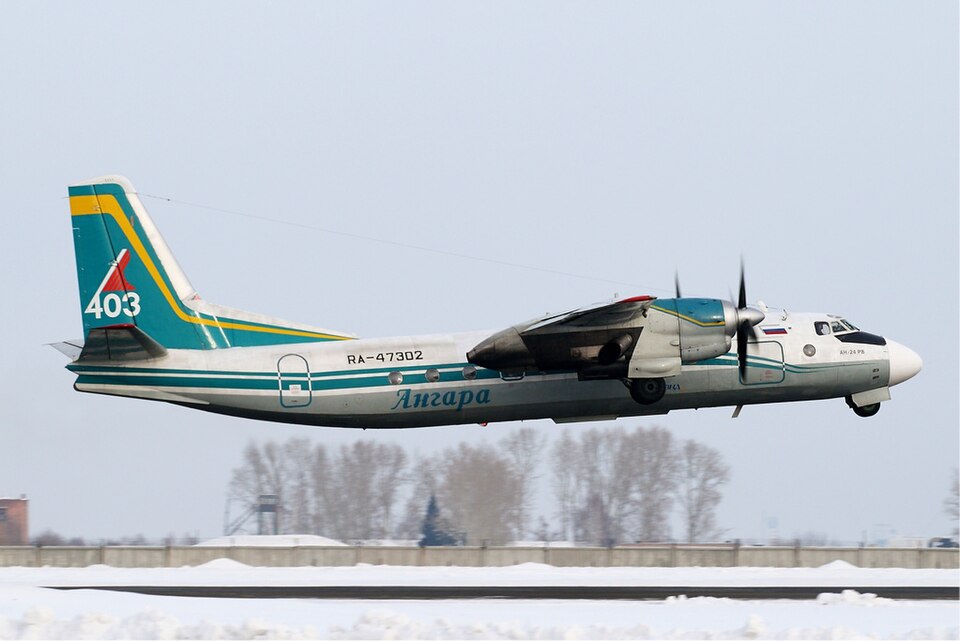
The aircraft, operating as callsign IK9007/SP5007, departed Tomsk Airport at 1010LT for a flight to Surgut. On board were 33 passengers and a crew of four. Approximately one hour and 26 minutes into the flight, the left engine's 'chips in oil' warning light illuminated.
Engine Failure and Diversion
About eight minutes after the warning, a burning smell was detected in the cockpit. The captain decided to divert to Nizhnevartovsk Airport. During the descent, the left engine caught fire. The crew feathered the propeller and elected to divert to Strezhevoy Airport. However, the fire could not be extinguished, and the captain eventually attempted an emergency landing in the Ob River.
Emergency Landing
Upon contacting the water, the aircraft broke in two and came to rest in shallow water. Seven passengers were killed; all other occupants were rescued.
Investigation Findings
The Interstate Aviation Committee (MAK) released a final report in Russian. The probable cause of the accident was determined to be a fire in the left engine nacelle that necessitated ditching. The destruction of the aircraft and loss of life resulted from collision with underwater obstacles that the crew could not anticipate or avoid. The fire was caused by a fracture of a centrifugal breather, which released an air-fuel emulsion into the engine compartment. Contributing factors included a delayed reaction by the crew to shut down the engine following magnetic chip detector indication, oil pressure fluctuations, a burning smell, and low oil pressure; degradation of engine vibration sensing equipment, likely due to rotor speed changes from an aft bearing failure of the compressor rotor or sensor misalignment, which probably influenced the delayed shutdown. The breather fracture was caused by destruction of the impeller from prolonged exposure to hot air-fuel emulsion due to failure of the aft compressor rotor support bearing. The cause of that bearing failure could not be determined due to secondary damage, but was most likely misalignment from incorrect assembly or geometric deviations during on-condition repairs. Contributing factors were the captain's psychological unpreparedness to shut down the engine due to lack of experience with single-engine operation, and late detection of the fire with consequent late extinguishing attempts; it could not be established why the fire was detected late due to lack of objective information about fire alarm system performance.