Incident Overview
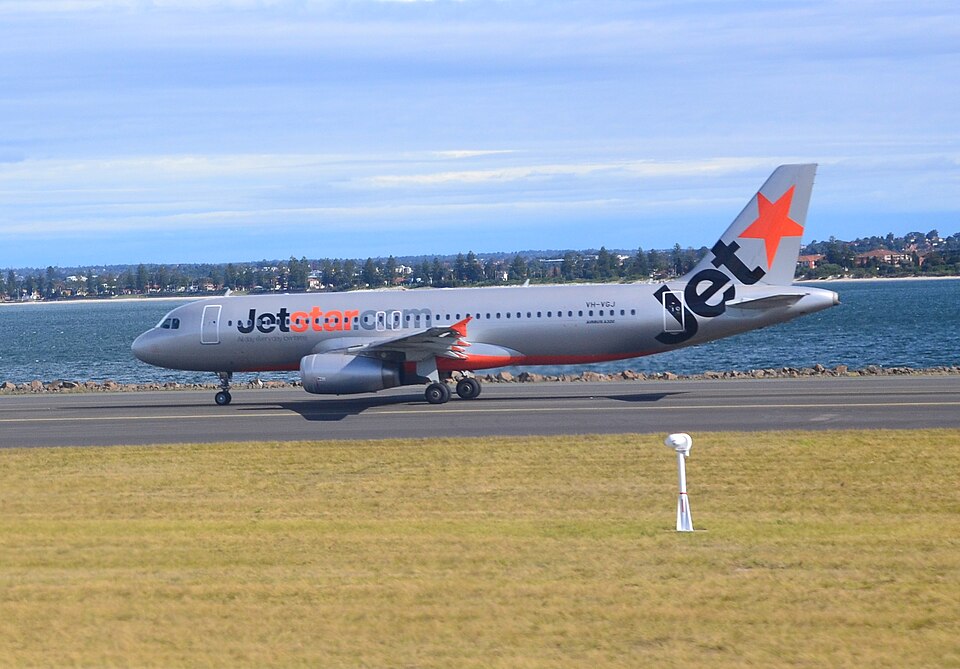
Aircraft VGJ was pushed back from bay 4. As the flight crew began their after-start flows, their attention was diverted by a potential risk of collision associated with taxi instructions and the movement of an aircraft parked on bay 5. Following confirmation between the conflicting aircraft and surface movement control that they would wait for VGJ, the captain of VGJ misidentified the dispatcher for the bay 5 aircraft as their own dispatcher.
Sequence of Events
During this time, the tug, which would normally wait beside the departing aircraft for the dispatcher, had moved away from VGJ toward the terminal to avoid a conflict with the bay 5 aircraft. Consequently, the dispatcher sighted by the captain was next to the tug used for the pushback of VGJ. This proximity potentially created an association in the captain's mind between the tug and the dispatcher, leading the captain to assume that the dispatcher had removed the nose wheel steering pin and moved away from the aircraft.
After Start Checks
The diversion of the flight crew's attention away from their after-start flows probably resulted in the pilot flying not completing their memory items. This omission was not detected during the after-start checklist because the captain had misidentified the dispatcher for the bay 5 aircraft as the dispatcher for VGJ.
Outcome
As a result, the dispatcher connected to VGJ was not cleared to disconnect prior to VGJ starting to taxi.