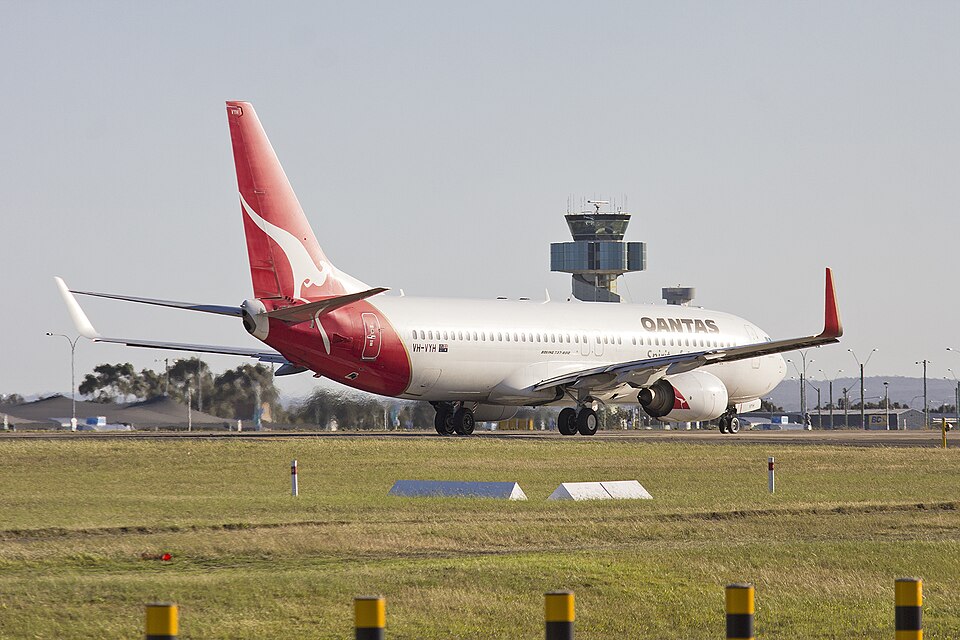
Engine failure during takeoff at Sydney Airport

No fatalities • Sydney Airport, New South Wales

A CFM56-7B engine experienced a high-pressure turbine blade failure during the takeoff roll, leading to a contained engine failure and an emergency return to Sydney.

What happened

During the takeoff roll at Sydney Airport, the aircraft's right engine experienced a sudden and severe failure. The flight crew reported hearing a single loud bang followed by a physical shudder, signaling that the failure occurred with extreme rapidity. At the moment of the failure, the aircraft had already reached V1, the critical decision speed. Because the aircraft had passed this threshold, the crew could not safely abort the takeoff and instead elected to continue the climb and subsequently declare an emergency.

Despite the loss of power from one engine, the crew, cabin crew, air traffic control, and airport rescue and firefighting services coordinated effectively. This allowed the aircraft to complete its procedures and return safely to the airport.

The investigation

The investigation focused on the mechanical failure within the engine's high-pressure turbine (HPT). It was determined that a single HPT blade was liberated from its disc because of pre-existing fatigue cracks located in the blade's dovetail region. This specific blade configuration, the 2403M91P02, was known to be susceptible to such cracking.

Following the initial liberation, the departing blade struck an adjacent blade, causing it to fail and also become liberated. This chain reaction continued as the debris entered the engine shroud, striking other rotating components. Ultimately, the remaining 74 blades in the HPT experienced overstress failures through their aerofoils. The resulting debris traveled through the low-pressure turbine and was ejected from the rear of the engine. The loss of torque in the HPT and the damage caused by debris to the low-pressure turbine led to the total failure of the right engine.

At the time of the incident, a service bulletin was in effect that required these blades to be removed 13 days later to mitigate such risks. However, the investigation noted that the manufacturer's removal thresholds did not entirely eliminate the possibility of such events.

Findings

  • A fatigue crack in the dovetail of an HPT blade caused the initial blade liberation.
  • The failure of the first blade triggered a rapid chain reaction that resulted in the failure of all remaining HPT blades.
  • The engine failure was a contained event.
  • The flight crew's decision to continue the takeoff after passing V1 was appropriate given the safety margins at that speed.

Probable cause

The engine failure was caused by the liberation of a high-pressure turbine blade due to pre-existing fatigue cracks in the blade's dovetail, which subsequently triggered a catastrophic failure of all remaining blades in the turbine disc.

Frequently asked questions

What happened in the 2024-11-08 The Boeing Company 737-838 accident near Sydney Airport, New South Wales?

A CFM56-7B engine experienced a high-pressure turbine blade failure during the takeoff roll, leading to a contained engine failure and an emergency return to Sydney.

Were there any fatalities in the 2024-11-08 The Boeing Company 737-838 accident?

No fatalities were recorded in this accident.

What aircraft was involved and where did it happen?

The accident on 2024-11-08 involved a The Boeing Company 737-838, registration VH-VYH, operated by Qantas Airways Limited, at Sydney Airport, New South Wales.

What was the probable cause of the accident?

The engine failure was caused by the liberation of a high-pressure turbine blade due to pre-existing fatigue cracks in the blade's dovetail, which subsequently triggered a catastrophic failure of all remaining blades in the turbine disc.

Loading the flight search…