Background
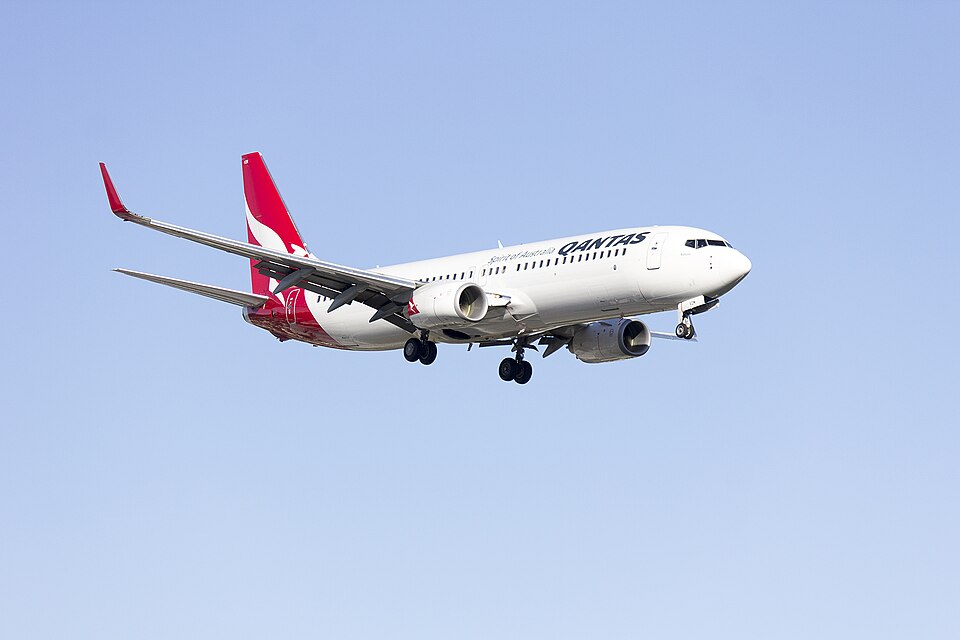
On the evening of 29 April 2023, two Qantas Boeing 737-838 aircraft were operating from runway 16L at Sydney Airport, New South Wales. VH-VZW was on final approach to land while VH-VZM was preparing for takeoff. As VH-VZM commenced its takeoff roll, the aerodrome controller identified that spacing between the two aircraft had reduced to a distance that could compromise runway separation and instructed the crew of VH-VZW to go around. During the missed approach, the horizontal separation between the aircraft decreased to 0.8 NM (1.5 km) and vertical separation to 330 ft (100 m) as they climbed away from the runway.
Findings
The Australian Transport Safety Bureau (ATSB) determined that the go-around instruction was delayed by approximately 12 seconds due to an inadvertent verbal interjection by the tower shift manager, who said "wait." The aerodrome controller deferred the instruction while waiting for further guidance that did not materialize. This delay resulted in VH-VZW being 160 ft lower and 0.5 NM closer to the threshold when the go-around was finally issued. Additionally, four seconds after instructing the go-around, the controller issued further instructions requiring a turn onto a heading of 090° at 2,100 ft. These instructions were provided before the aircraft reached 600 ft, the altitude at which the published missed approach procedure required a left turn to a heading of 125°. The crew interpreted the later instruction as a cancellation of the missed approach procedure and did not turn at 600 ft. The timing of the additional instruction likely increased workload compared to allowing the crew to execute the go-around and initial turn before issuing further instructions. Other factors included a landing aircraft that took about 23 seconds longer than anticipated to exit the runway, compressing spacing, and a 14-second delay in VH-VZM's takeoff roll due to a permissible engine unserviceability.
Actions Taken
In response to the occurrence, Airservices Australia advised that it would conduct an analysis of landing runway occupancy times at Sydney Airport, add defensive controlling techniques and minimum assignable altitudes for go-around scenarios, conduct an assurance review of go-arounds at Sydney involving a second aircraft requiring controller intervention, and add nighttime go-around scenarios to compromised separation training.
Safety Message
The ATSB noted that aerodrome controllers are required to maintain an orderly flow of air traffic with minimal delays while ensuring safe separation between arriving and departing aircraft. In such a complex environment, errors by controllers and pilots are inevitable. The sociotechnical system should be designed to be resilient to these errors and reduce the impact individual actions can have on overall safety.