What happened
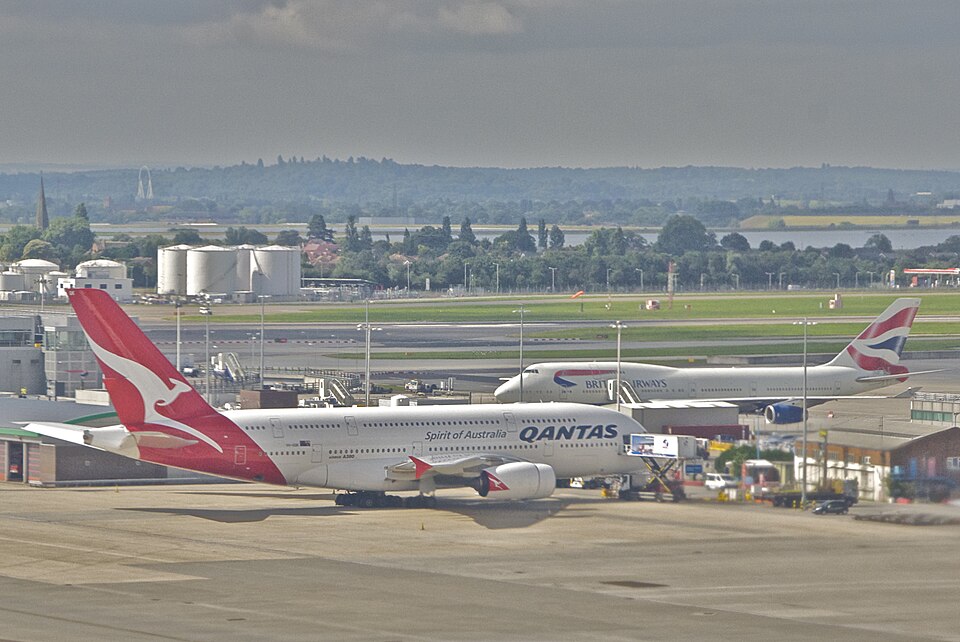
Following maintenance on the air generation unit within the left wing of an Airbus A380, a work light was left behind in the confined workspace. Despite foreign object clearance inspections conducted by the engineering team, the light was not identified. The aircraft subsequently departed for Dallas Fort Worth International Airport and completed two sectors with the item still inside the wing structure.
The investigation
The ATSB examined why the work light remained undetected during post-maintenance checks. Investigators noted that the light had been switched off when the crew moved to the cockpit, making it visually difficult to spot in the low-light conditions of the wing. High temperatures in the confined space likely reduced the duration of the clearance inspections. Additionally, the work light was a passive tool used for illumination rather than a physical instrument for the sensor replacement, which may have affected the engineer's recall when returning tools to the crib.
The investigation also highlighted that the licensed aircraft maintenance engineer (LAME) did not generate or review the unreturned tool report before issuing the certificate of release to service. This step was skipped due to attention being diverted by concurrent pre-flight activities and an unexpected auxiliary power unit troubleshooting task. Consequently, the system failed to flag that a tool remained signed out to the engineer.
Findings
The primary contributing factors were the failure to observe the work light during clearance inspections and the issuance of the release certificate without accounting for all tools. The maintenance information system lacked an automated prompt to alert certifiers if tools were unreturned or if the unreturned tool report had not been reviewed. This procedural gap allowed the aircraft to depart with a foreign object on board.
Safety message
The ATSB identified that relying solely on manual checks and human recall for tool accountability is vulnerable to error, particularly under time pressure or when attention is divided. Automated systems should be implemented to verify tool returns before a certificate of release to service can be issued.