Introduction
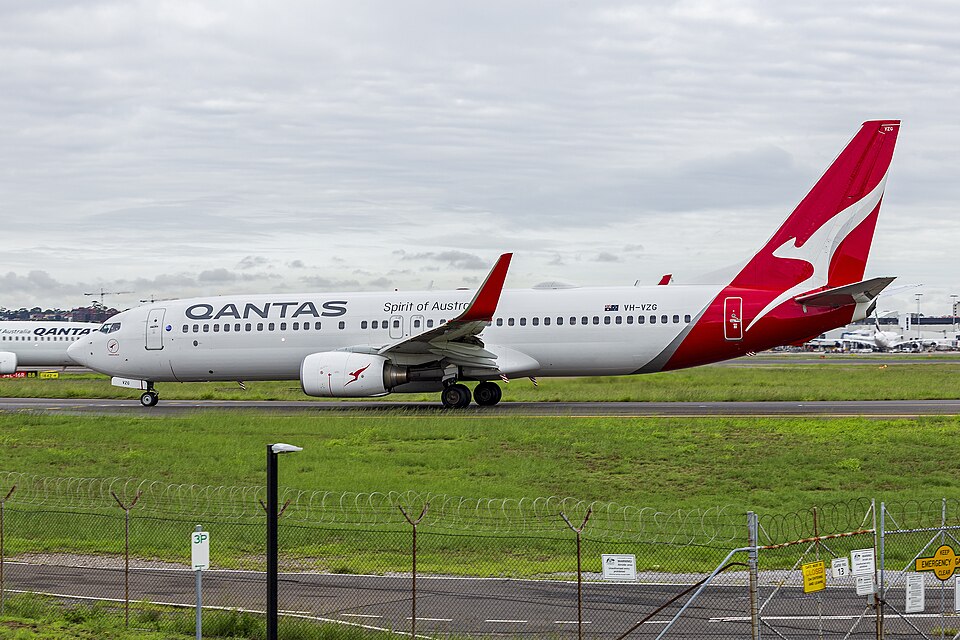
In 2025, two collisions occurred at Brisbane International Airport's Gate 82 aerobridge with narrow-body Boeing 737 aircraft. The first incident involved aircraft VH-VZG on 18 June, and the second involved DQ-FAE on 26 July. On both occasions, the aerobridge operators, employed by different airlines, intended to dock with parked aircraft. Instead, the aerobridge struck the cockpit windshield, causing minor damage and no recorded injuries.
Visibility of Narrow-Body Aircraft
The default home position and cab orientation of the aerobridge provided operators with clear forward visibility through front-facing windows. This allowed good visibility of wide-body aircraft parked to the right. However, the parking location of narrow-body aircraft, combined with the design of Gate 82's walls and windows, limited visibility of such aircraft from the control console before movement. Unlike some other aerobridges at Brisbane Airport, Gate 82 lacked side-viewing windows that could have provided a view towards the narrow-body parking position. Without these windows, operators could only see what was directly in front of the cab, creating a hazard and increasing collision risk.
Normal Operations
Although not explicitly emphasized during training, both operators understood that visual contact with the aircraft was necessary for safe docking. For wide-body aircraft, visibility was immediate from the home position, while for narrow-body aircraft, it was typically delayed. Both operators expected to gain visibility after beginning aerobridge movement. Their standard procedure involved simultaneously rotating the cab, lowering the bridge, and moving toward the aircraft. They did not anticipate a collision and considered their technique normal. The operators knew they needed to rotate the cab left to dock successfully and likely preemptively rotated left while moving, further reducing visibility. They did not think rotating the cab right to gain and maintain visibility was critical before moving. Although the practical assessment presented an opportunity to learn this step, it was not explicitly trained or highlighted via in-cab instructions.
Object Orientation and Mental Rotation
The operators believed they were extending the aerobridge parallel to the aircraft. However, in both cases, they rotated the cab left during extension, changing the travel direction from parallel to diagonal toward the aircraft. The joystick design required operators to mentally rotate their frame of reference to account for changes in cab orientation. Both operators were unaware that their 3 o'clock reference had shifted after rotating the cab left, and they did not perceive visual cues indicating diagonal movement. They reported that the movement felt normal and expected to gain visibility soon. Without contradictory feedback, they proceeded with incorrect awareness of direction. The complexity of the mental rotation task was likely not well understood by operators, and the simultaneous left cab orientation during extension further obstructed their limited view of the aircraft.