Accident Overview
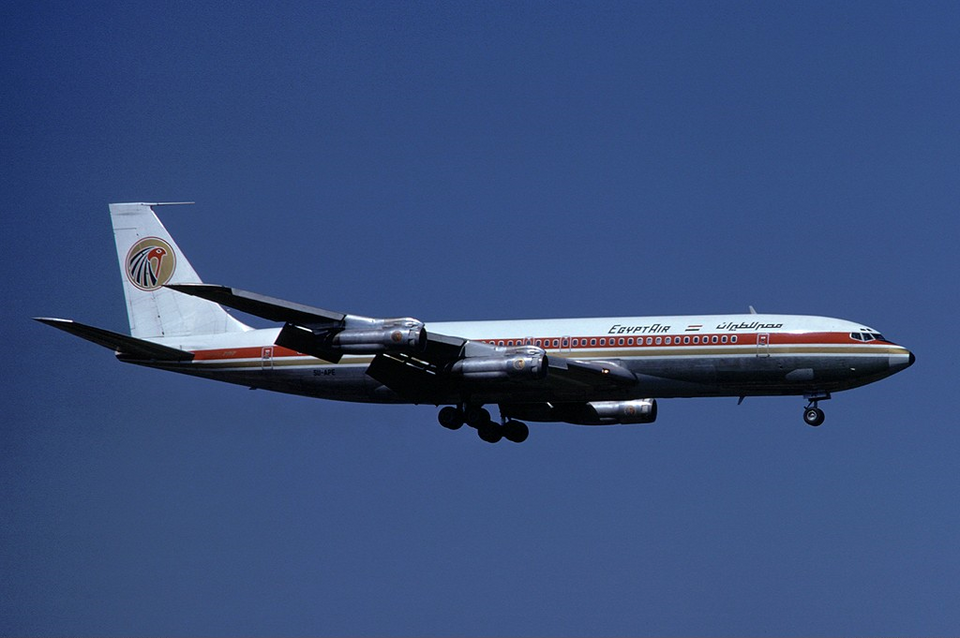
On a scheduled service from Cairo to Zurich with an intermediate stop in Geneva, a four-engine aircraft carrying 174 passengers and 10 crew was performing flight MS771 to Geneva-Cointrin Airport. After an uneventful flight from Cairo-Intl, the crew was cleared to descend for an ILS approach to runway 23.
Sequence of Events
On short final, the captain did not recognize that the aircraft's altitude was insufficient. The right main landing gear struck an ILS antenna. Seconds later, the aircraft touched down 35 meters before the runway threshold. Upon contacting the concrete runway, all three landing gear assemblies detached. The airplane slid on its belly for approximately 900 meters, then made a left turn and lost its right wing before coming to a stop. A fire ignited on the right side of the aircraft but was quickly extinguished. All 184 occupants evacuated the aircraft. Two passengers sustained serious injuries during the evacuation. The aircraft was destroyed.
Probable Cause and Contributing Factors
The official investigation determined that the accident resulted from a lack of decision by the captain, who failed to initiate a go-around after the aircraft passed below 1,000 feet or at least after crossing the outer marker, despite a wrong approach configuration. Insufficient cockpit coordination was noted, as the crew did not follow the approach checklist and lacked proper task distribution, surveillance, and cross‑checking. The captain exhibited stubbornness to land once the ground was in sight, despite a wrong approach configuration with airbrakes deployed and an excessive rate of descent. Contributing factors included omission of correct approach and landing planning, late increase of engine power during the final portion of the approach, and a possible inadvertent deployment of the interior airbrakes shortly before impact.