What happened
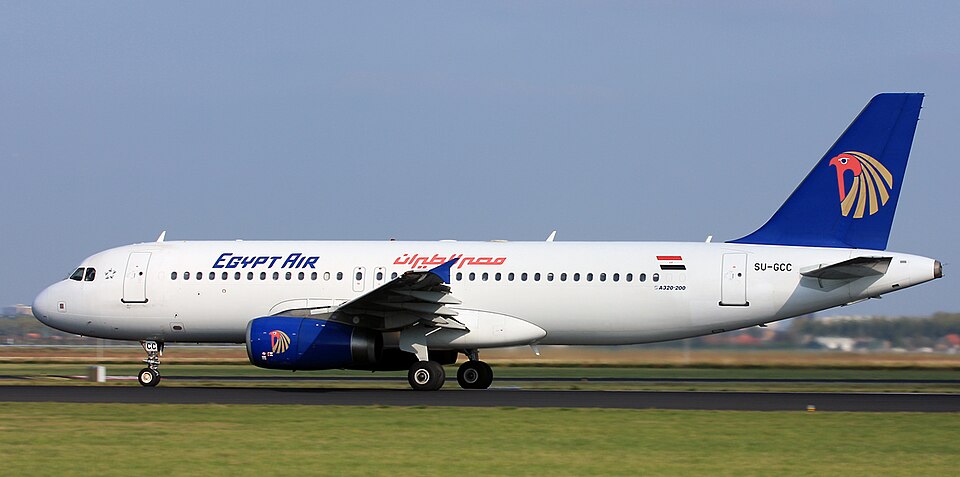
On May 18, an Airbus A330 departed Paris-Roissy-Charles de Gaulle Airport at 23:21 local time, destined for Cairo. The flight was carrying 56 passengers and 10 crew members. While the aircraft initially maintained communication with Greek air traffic control, it ceased responding after being transferred to Egyptian controllers. Shortly after exiting Greek airspace, the aircraft began a rapid descent from FL370 to FL220. Radar data indicated the plane performed an initial left turn followed by a full 360-degree right turn before disappearing from radar at 02:29 local time while at approximately 10,000 feet.
The aircraft is believed to have crashed into the Mediterranean Sea, roughly 200 km north of the Egyptian coastline. No distress signals were transmitted by the crew prior to the disappearance. On May 20, debris including luggage was located approximately 290-300 km north of Alexandria. Subsequent analysis of ACARS messages indicated that smoke had been detected in a lavatory and within a technical compartment beneath the cockpit, alongside various reported technical malfunctions.
Findings
Investigations into the crash yielded conflicting theories regarding the cause. Egyptian authorities concluded that a malicious act occurred, citing traces of explosives found on several victims. However, the French BEA proposed that an in-flight fire originated in the cockpit and spread rapidly, causing a loss of control.
Official findings determined that an in-flight fire was the primary cause, likely stemming from an oxygen leak in the co-pilot's quick-fit mask system. The investigation noted that the pilots likely exited the cockpit in haste and failed to effectively utilize fire extinguishers. Contributing factors included potential ignition sources such as static electricity from a blanket, fatty substances from crew meals, or a lit cigarette. Additionally, investigators noted several instances of unprofessional crew behavior, including frequent departures from the cockpit and inadequate flight monitoring.