No fatalities

1997-08-12: Boeing 727-200 (SX-CBI) — Olympic Airways — Thessaloniki, Greece

Thessaloniki, GreeceLanding (descent or approach)

On August 12, 1997, a Boeing 727-200 (registration SX-CBI) operated by Olympic Airways was involved in an aviation accident near Thessaloniki, Greece during landing or approach. No fatalities were reported. Investigators recorded the probable cause as: The following findings were reported: - Poor weather conditions, - The runway surface was wet and the braking action was considered as moderate to low, - The flying crew consisted of two highly experienced captains, - The crew was under stress during the… This summary draws on records from the Bureau of Aircraft Accidents Archives (B3A); 14 related events involving the same aircraft type or operator are linked below.

Sourcesthe Bureau of Aircraft Accidents Archives (B3A)Primary reportUpdated 1781205899Data APIEditorial standards
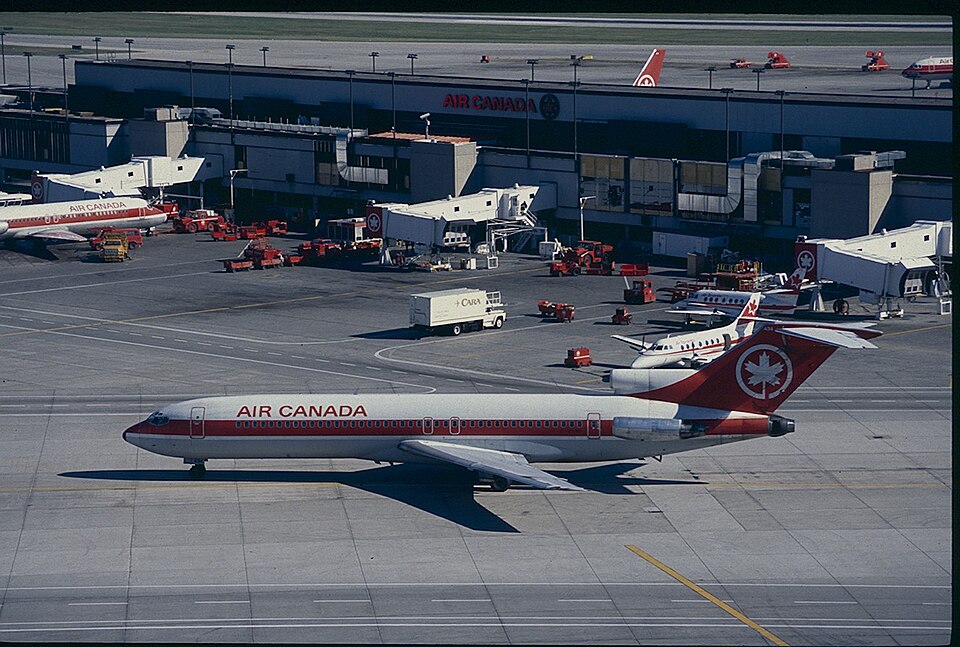
Boeing 727-200
Photo: Pete Macklin / CC BY-SA 2.0, via Wikimedia Commons

Aircraft landed too far down a wet runway at Thessaloniki Airport in poor weather. Crew veered right, undercarriage torn off. All 35 occupants evacuated uninjured; aircraft damaged beyond repair.

Incident Overview

An aircraft arriving at Thessaloniki Airport executed an approach in adverse weather conditions. The landing was made too far down the runway, and after touchdown the crew determined that stopping within the remaining distance was not possible. The pilot intentionally veered the aircraft to the right, departing the runway surface. Upon contacting soft ground, the undercarriage was torn off and the aircraft came to rest.

Occupants and Damage

All 35 occupants aboard escaped uninjured. The aircraft sustained damage beyond repair.

Weather Conditions

At the time of the accident, wind was from 360° at 18 knots gusting to 28 knots. Thunderstorm activity, rain, and a visibility of 5 km were reported. The runway surface was wet, with braking action considered moderate to low.

Official Findings

The following findings were reported: poor weather conditions; wet runway with moderate to low braking action; the flying crew consisted of two highly experienced captains; the crew was under stress during the final approach due to poor weather; wrong approach configuration as the aircraft was too high on the glide; the crew failed to follow the approach checklist; the aircraft landed too far down the runway, about a third past its threshold, reducing the landing distance available; lack of crew coordination; the crew failed to initiate a go-around procedure.

Probable cause

The following findings were reported: - Poor weather conditions, - The runway surface was wet and the braking action was considered as moderate to low, - The flying crew consisted of two highly experienced captains, - The crew was under stress during the final approach due to poor weather conditions, - Wrong approach configuration as the aircraft was too high on the glide, - The crew failed to follow the approach checklist, - The aircraft landed too far down the runway, about a third past its threshold, reducing the landing distance available, - Lack of crew coordination, - The crew failed to initiate a go-around procedure.