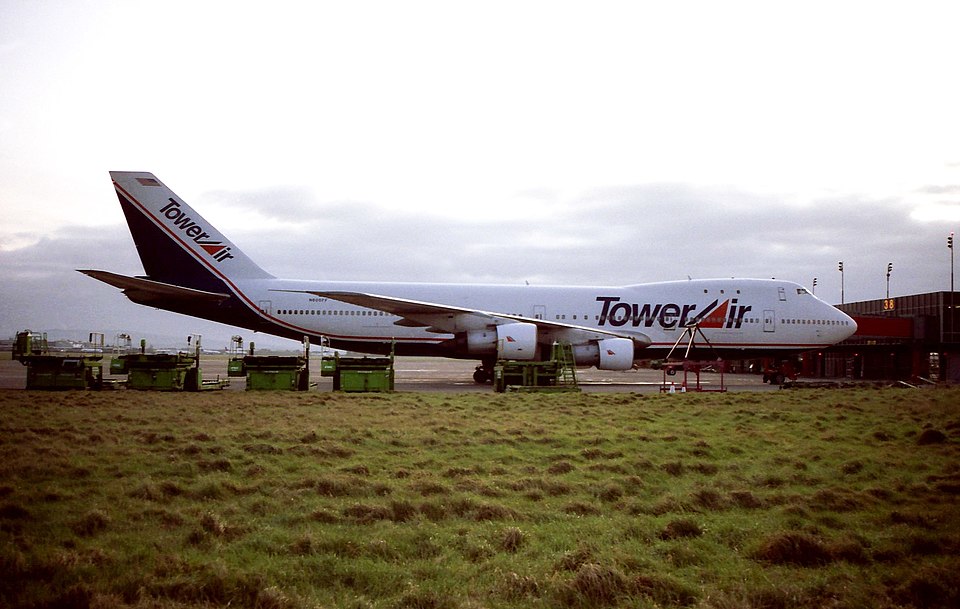
Accident Overview
The takeoff was initiated on runway 04L, which was partially covered with patches of ice and snow. Wind conditions were from 330 degrees at 11 knots. Prior to the first officer calling out 80 knots, the aircraft began to deviate to the left. It subsequently departed the left side of the runway and collided with signs and an electric transformer.
Investigation Findings
Evidence from the investigation indicated that the captain had made excessive inputs to the nosewheel steering tiller, causing the loss of directional control. Following the initial veer, the captain did not apply sufficient or timely right rudder to recover. The captain temporarily abandoned an attempt to reject the takeoff by restoring forward thrust before the aircraft exited the runway.
Procedural and Training Issues
Current Boeing 747 operating procedures were found to provide inadequate guidance to flightcrews concerning the potential for loss of directional control at low speeds on slippery runways when using the tiller. The Boeing 747 flight manual also lacked sufficient guidance on when pilots should reject a takeoff after indications of reduced directional control response. Additionally, improvements in the fidelity of flight simulators used for Boeing 747 pilot training regarding slippery runway handling were identified as both necessary and feasible.
Probable Cause
The official probable cause was the captain's failure to reject the takeoff in a timely manner when excessive nosewheel steering tiller inputs resulted in a loss of directional control on a slippery runway. Inadequate Boeing 747 slippery runway operating procedures developed by Tower Air, Inc., and the Boeing Commercial Airplane Group, along with inadequate fidelity of B-747 flight training simulators for slippery runway operations, contributed to the accident. The captain's reapplication of forward thrust before the airplane departed the left side of the runway contributed to the severity of the runway excursion and aircraft damage.