4 fatalities

Cargo Flight Crashes Near Puchong, All Four Crew Members Killed (N807FT)

Puchong, MalaysiaLanding (descent or approach)

On February 19, 1989, a Boeing 747-200 (registration N807FT) operated by Flying Tigers was involved in an aviation accident near Puchong, Malaysia during landing or approach. 4 people were killed. Investigators recorded the probable cause as: The GPWS alarm sounded in the cockpit but the crew failed to respond appropriately; the crew failed to adhere to the published approach procedures and approach checklist; poor crew coordination; lack of visibility; non-standard phraseology used by ATC,… This summary draws on records from the Bureau of Aircraft Accidents Archives (B3A); 7 related events involving the same aircraft type or operator are linked below.

Sourcesthe Bureau of Aircraft Accidents Archives (B3A)Primary reportUpdated 2026-06-11Data APIEditorial standards
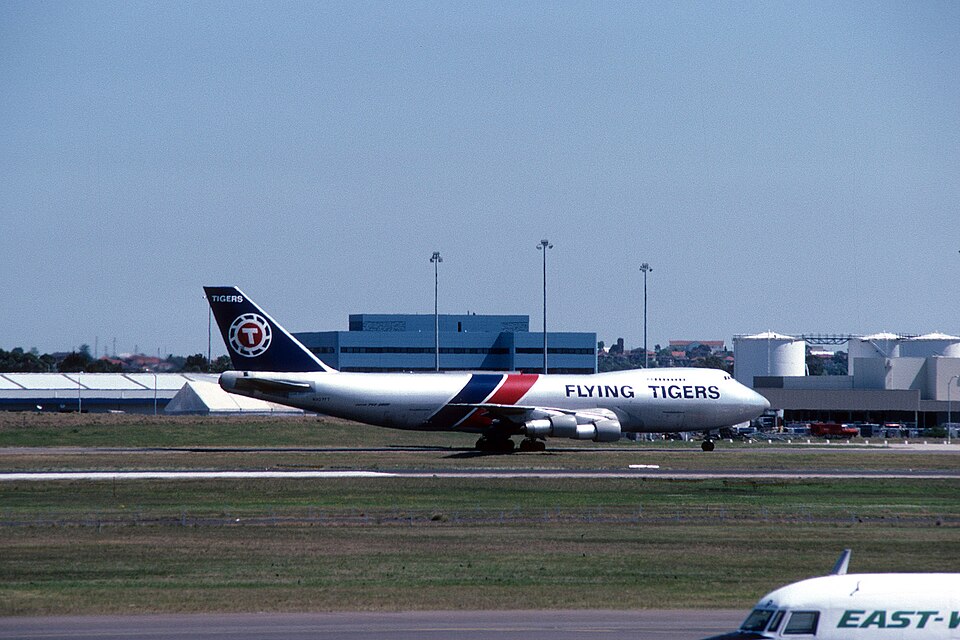
Aircraft registered N807FT
Aircraft registered N807FT. Photo: adelaidefire / CC BY 4.0, via Wikimedia Commons

A cargo flight from Singapore crashed near Puchong, Malaysia, after crew misinterpreted an ATC instruction, leading to controlled flight into terrain. The aircraft was destroyed and all four crew members were killed.

Incident Details

A cargo flight originating from Singapore-Changi Airport was en route to Kayell for an NDB approach to runway 33. The aircraft carried a load of textiles, computer software, and mail, along with four crew members. While on a direct routing, the crew received an ATC clearance to 'descend two four zero zero' (2,400 feet), which they mistakenly interpreted as 'to 400'. Consequently, they continued descending below the minimum descent altitude of 2,400 feet. The aircraft subsequently struck trees and crashed on a wooded slope near the village of Puchong, approximately 14 kilometers from the airport. The impact totally destroyed the aircraft and claimed the lives of all four crew members.

Investigation Findings

The official investigation reported several contributing factors. The Ground Proximity Warning System (GPWS) alarm activated in the cockpit, but the crew failed to respond appropriately. Additionally, the crew did not adhere to published approach procedures and the approach checklist. Poor crew coordination was noted, and the lack of visibility further compromised situational awareness. Non-standard phraseology used by ATC led the crew to misinterpret the descent clearance.

Probable cause

The GPWS alarm sounded in the cockpit but the crew failed to respond appropriately; the crew failed to adhere to the published approach procedures and approach checklist; poor crew coordination; lack of visibility; non-standard phraseology used by ATC, causing the crew to misinterpret instructions.