Introduction
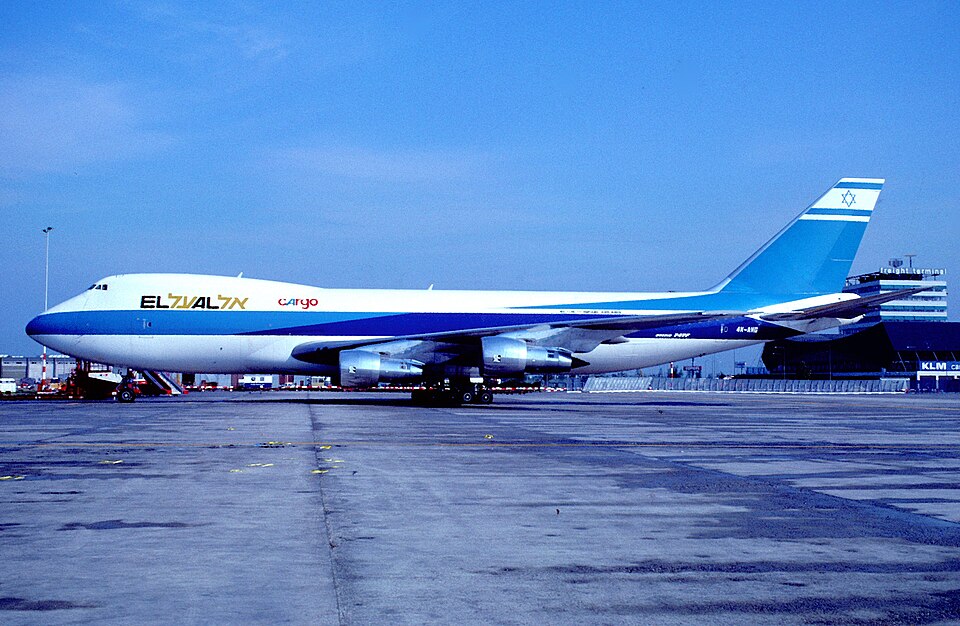
On a scheduled cargo flight from John F. Kennedy International Airport to Ben Gurion International Airport, with an intermediate stop at Schiphol Airport for crew change and cargo processing, the aircraft arrived in Amsterdam at 13:40. After a transit check and refueling with 74,200 liters of Jet A1 fuel, the aircraft had 72 metric tons of fuel on board. The takeoff gross weight was 338.3 metric tons, with a maximum permitted of 359.3 metric tons. Four people were on board: the captain, copilot, flight engineer, and one non-revenue passenger. The cargo totaled 114.7 metric tons, including 6.5 metric tons of low-grade dangerous goods.
Flight and Crew
The flightcrew had arrived on a previous El Al flight and had 20 hours of crew rest before duty. At departure, two runways were in use: 01L for takeoff and 06 for landing. Air traffic was moderate. The captain requested pushback at 17:04, and the aircraft taxied at 17:14. The copilot was the pilot flying (PF), and the captain was the pilot not flying (PNF). Takeoff on runway 01L began at 17:21, following the Pampus departure. No anomalies were evident during initial climb until 17:27:30, at about 6,500 feet altitude.
Emergency and Crash
At 17:27:30, the flight data recorder showed the No. 3 and 4 engines and their pylons separated from the right wing. The copilot transmitted a mayday call. The aircraft turned right and began dumping fuel. ATC cleared other traffic and asked the crew if they wanted to return to Schiphol. The crew reported a fire on engine No. 3 and loss of thrust on engines 3 and 4. Witnesses heard banging sounds, saw dark smoke, falling objects, and fire on the right wing. ATC informed the crew that runway 06 was in use with wind 040° at 21 knots, but the crew requested runway 27. The aircraft was 7 miles from the airport at 5,000 feet, so a straight-in approach was not feasible. The crew was instructed to turn to heading 360 and descend to 2,000 feet. The crew later stated they needed 12 miles final for landing and reported problems with flaps. The aircraft maintained 260 knots and gradually descended. ATC gave headings to intercept the final approach for runway 27, but overshoots occurred. At 17:35:03, the crew acknowledged a heading instruction and added, "and we have a controlling problem." About 25 seconds later, the copilot called, "Going down 1862, going down." Commands to raise flaps and lower gear were heard, followed by sounds of a stick shaker and ground proximity warning. The aircraft crashed at 17:35:42 into an 11-floor apartment building in the Bijlmermeer, a suburb of Amsterdam, about 13 km east of Schiphol Airport. The impact destroyed the aircraft and scattered fragments over 400 by 600 meters. Firefighting and rescue began shortly after. All four occupants and 43 people on the ground were killed; 26 others on the ground were injured, 11 seriously. The accident occurred during dusk.
Probable Cause
The investigation found that the design and certification of the B 747 pylon were inadequate to provide the required level of safety. Furthermore, the system to ensure structural integrity by inspection failed. This ultimately caused—probably initiated by fatigue in the inboard midspar fuse-pin—the No. 3 pylon and engine to separate from the wing, tearing off the No. 4 pylon and engine, damaging part of the leading edge, and limiting several systems. This left the flight crew with very limited control, making a safe landing highly improbable, if not virtually impossible.