Incident Overview
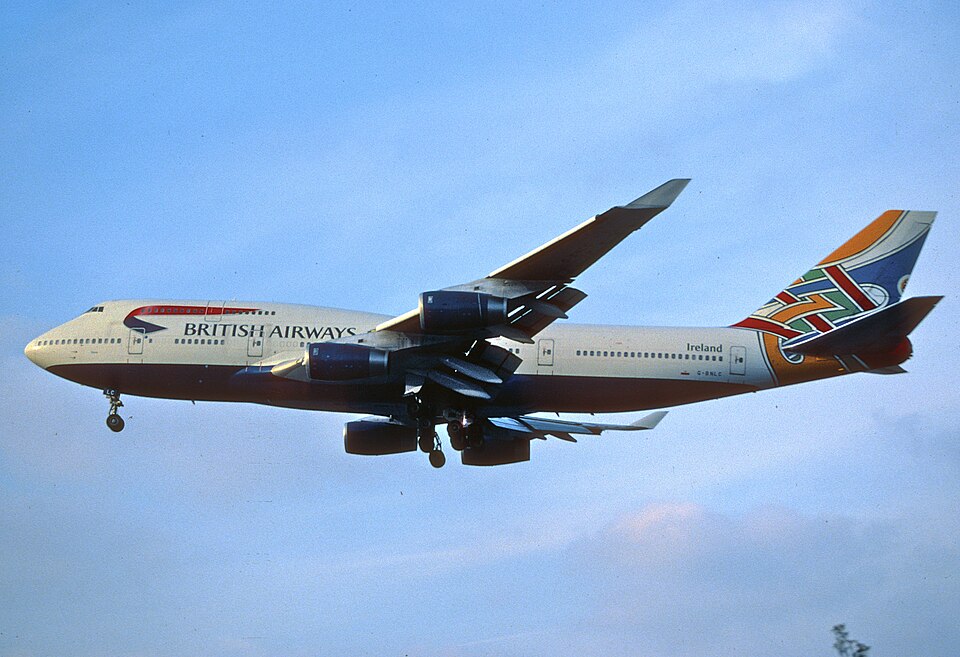
On 20 April 2003, a Boeing 747-436 (registration G-BNLC) was in cruise at FL360 in the Riga FIR, Latvia, when the crew detected fumes and smoke in the cockpit. The crew donned oxygen masks, declared a MAYDAY, and diverted to Riga Airport. The aircraft landed without incident, and all 307 passengers and 18 crew disembarked normally. The only damage was overheating to the cockpit door lock solenoid assembly.
Sequence of Events
A crewmember who had left the cockpit requested re-entry. The flight crew electrically unlocked the door, but the crewmember had difficulty opening it. After several attempts, the door was forced open with a 'bang'. Once closed, the door would not lock electrically, and the LOCK FAIL light illuminated on the centre pedestal. The crew consulted the Minimum Equipment List (MEL) and a Flight Crew Notice (FCN) and manually locked the door. About 15 to 20 minutes later, the handling first officer smelled an electrical burning odour. The commander initially suspected the galley, but the smell persisted. The cabin service director reported an unusual smell in first class. The commander switched off the in-flight entertainment system and air recirculation fans. The smell was stronger on the flight deck. The commander decided to divert to Riga, which was visible. The crew donned oxygen masks and briefed passengers. During approach, the commander removed his mask due to visor misting. After landing, the flight deck door surround was hot, and a strong smell came from the door lock striker assembly. Subsequent medical examination of the second officer revealed raised carbon monoxide levels in his blood.
Examination Findings
At Riga, examination showed the cockpit door lock solenoid had overheated, causing smoke from the striker assembly cutout. The solenoid was electrically isolated before the aircraft returned to the UK. Detailed examination revealed that the spring clip retaining the hexagonal adjustment nut had rotated, preventing the solenoid from fully retracting when power was removed. This caused the lock pin to remain partially extended, jamming the spring-loaded striker. When the door was forced open, the striker jammed the lock pin, preventing the solenoid from extending when locked. The micro-switch remained open, keeping full current to the solenoid, which overheated and produced smoke.
Safety Actions
The aircraft manufacturer confirmed the spring clip had been improperly installed during original manufacture. The striker assembly manufacturer issued a Service Bulletin to inspect door lock assemblies. The aircraft manufacturer informed all operators. The operator inspected all aircraft with the system. Previously, no specific procedures existed for a continuous LOCK FAIL light; the operator subsequently instructed crews to electrically isolate the system if the light remained illuminated, with secondary security procedures.