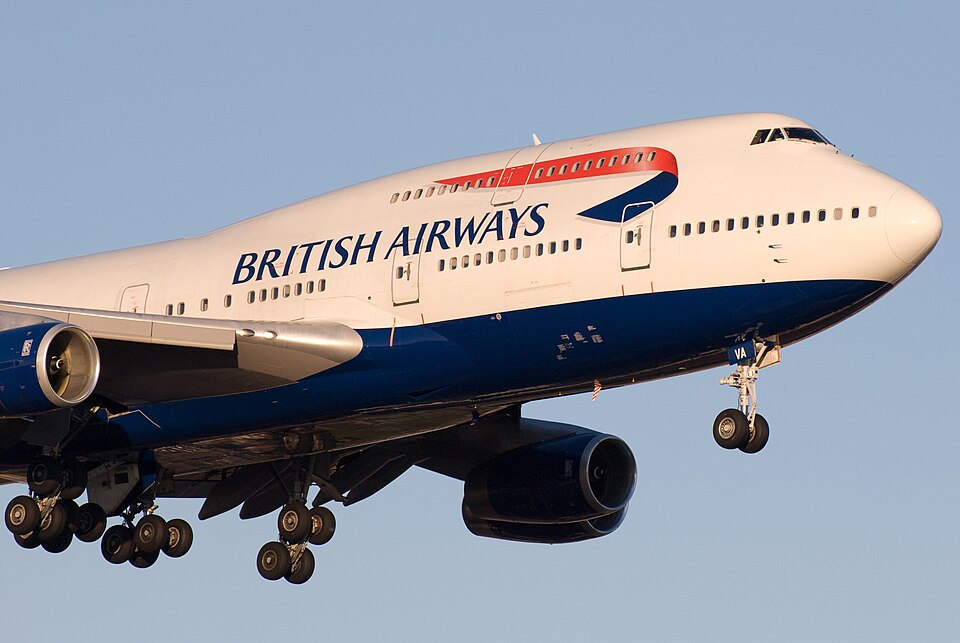
Incident
On 9 June 2013, a Boeing 747-436 (registration G-CIVA) was descending into London Heathrow Airport when a cabin crew member noticed acrid smoke emanating from the trash compactor in Galley 4, located near Door 2 Left. Unable to isolate the electrical supply to the unit, the crew member informed the commander. The commander dispatched the co-pilot to pull the circuit breaker, but the co-pilot could not locate it. Instead, he isolated the entire galley using the galley power emergency switch.
Despite these efforts, the smell of smoke worsened over the following minutes. The commander was alerted, and the flight crew declared a MAYDAY. They conducted an expeditious approach and landed at Heathrow. After vacating the runway, the crew communicated with both fire services and cabin crew before taxiing to a stand.
Response
Fire services removed the trash compactor from the aircraft. Passengers were then disembarked normally. No injuries were reported among the 16 crew members or 312 passengers.
Investigation
The trash compactor unit was sent to the manufacturer for detailed examination. However, investigators found no conclusive evidence to determine the cause of the acrid smoke. The operator incorporated the findings from this event into a review of cabin crew training and fire safety drills.