What happened
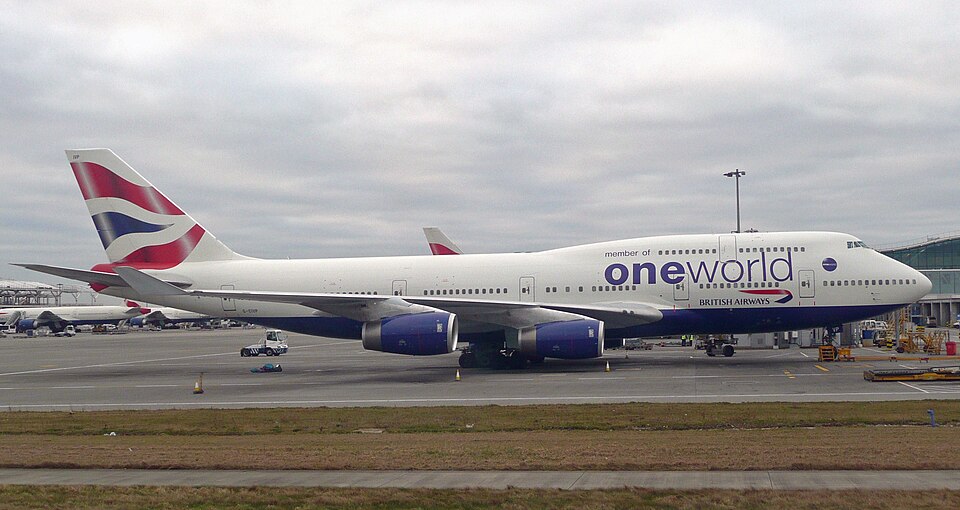
On 13 April 1999, a Boeing 747-436, registration G-CIVP, was operating a scheduled public transport flight from Brisbane, Australia, to Singapore. While cruising at FL390 near the SABIL airway intersection, the aircraft encountered a period of severe turbulence lasting approximately 15 seconds. At the time of the encounter, the aircraft was in level flight and a meal service was being conducted in the cabin. Because the turbulence was unexpected, the seat belt signs were not illuminated.
The sudden atmospheric disturbance caused several injuries, including 3 serious and 22 minor injuries to passengers, along with 2 minor injuries to the crew. Following the event, the commander elected to proceed to Singapore, requesting medical assistance to be available upon arrival. The aircraft landed safely 44 minutes later, and subsequent engineering inspections confirmed no structural damage to the airframe.
The investigation
Investigators examined meteorological data and flight recorder information to determine the cause of the upset. Weather balloon observations from 1200 UTC showed winds of approximately 30 kt at FL390, with no evidence of significant windshear or large direction changes. While regional weather charts did not indicate widespread cumulonimbus activity, an infrared satellite photograph revealed a single, bright, intensely developed cloud cell located precisely where the turbulence occurred. This cell showed evidence of strong vertical development.
Data from the aircraft's Optical Quick Access Recorder (OQAR) confirmed the aircraft was flying at 264 kt (CAS) on a heading of 313°M. During the 15-second event, the aircraft's airspeed fluctuated between 256 kt and 274 kt CAS, and the aircraft rolled to a maximum left-wing-down attitude of -11°. The recorders also noted excursions in normal acceleration, with a maximum load factor of 1.77g and a minimum of -0.26g. The autopilot remained engaged throughout the encounter.
Findings
- The turbulence was likely caused by an area of rapidly developing cumulonimbus cloud.
- The cloud may have been in an early stage of development, making it difficult to detect via onboard weather radar, which struggles to identify rising cloud tops composed of small particles.
- Although the cloud was not detectable by radar, it was visible on infrared satellite imagery.
- The possibility of a wake turbulence encounter was considered, but no other aircraft were operating in the vicinity at the time.