Incident Overview
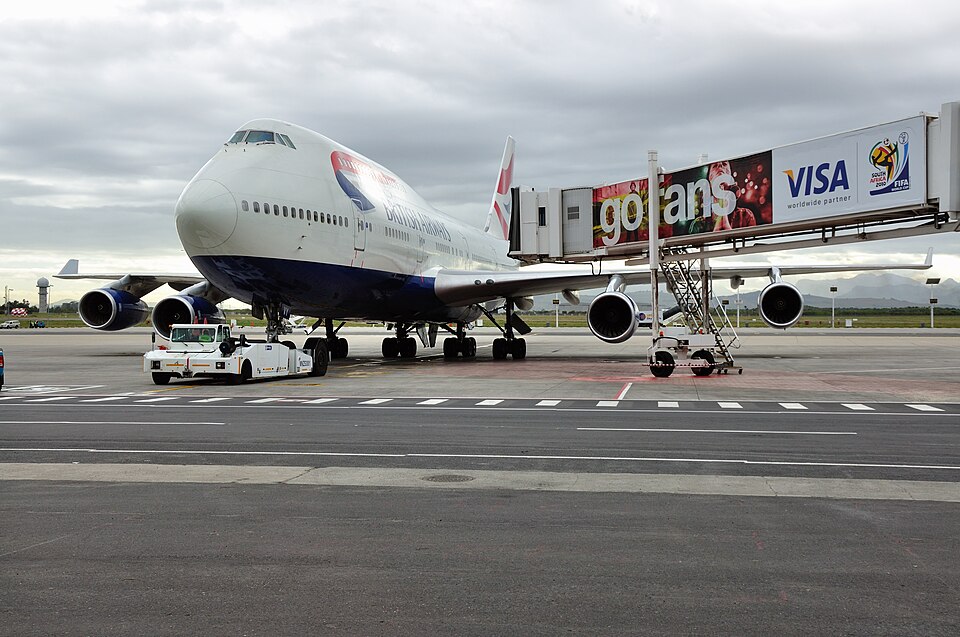
On 28 December 2005, a Boeing 747-436, registration G-CIVY, operated a public transport passenger flight from New York JFK to London Heathrow. The aircraft carried 18 crew and 2 passengers. No injuries were reported and no damage occurred. The flight was uneventful until over the Irish Sea near Strumble Head, Wales, when cabin crew reported a smell of burning and a haze in the cabin.
Flight History
Before departure from New York, the aircraft had ingested a bird into its No 3 engine, causing most passengers to be rebooked. On takeoff, the crew noted a 'burnt bird' smell that dissipated. The aircraft was operating with an acceptable deferred defect related to a cabin pressurisation outflow valve, limiting the use of air conditioning packs.
Cabin Crew Reports
Approaching Strumble Head, a cabin crew member reported a burning smell in the first class galley. The commander asked for checks of food deposits in the ovens. The Cabin Service Director later reported the smell worsening and a haze appearing. Simultaneously, a 'NUMBER 3 GALLEY BUS' caption appeared on the secondary EICAS, with a 'RT UTILITY BUS' message on the primary EICAS. Cabin crew in the rear and centre of the aircraft described strong fumes and a loud metallic 'graunching and banging' from under the floor. The commander instructed cabin crew to turn off all galley emergency power switches and in-flight entertainment systems, which initially reduced the smell but it returned and intensified.
Diversion and Landing
The commander declared a MAYDAY and initiated a diversion to Cardiff. Cabin crew were briefed to have smoke hoods ready and prepare for a possible slide evacuation. The flight crew checked the Quick Reference Handbook for electrical fire/smoke and utility bus procedures but did not attempt resets. During descent, the fumes fluctuated, strongest at flight level 150. The flight crew did not experience symptoms on the flight deck but donned oxygen masks as a precaution. The co-pilot's mask microphone was unserviceable, requiring alternative communication. An uneventful landing followed; the aircraft vacated the runway onto the parking area. No emergency evacuation was needed as fumes had subsided, leaving only a hot, oily smell. Fire services found no hotspots via thermal imaging.
Aftermath and Investigation
Borescope inspection of the engine found most intended passengers had been dispersed. The galley ovens contained substantial food spillage, considered the likely source of the smell and haze. The No 3 galley bus caption and utility bus message were investigated. The aircraft's maintenance organisation understood that the commander had isolated the No 2 air cycle machine (ACM) in response to reported noises; the unit was removed but later found to have no defects. Detailed inspection of galley wiring revealed no issues causing circuit breakers to trip. After cleaning the ovens and extended ground-testing, the aircraft returned to service without further similar reports.