Accident Overview
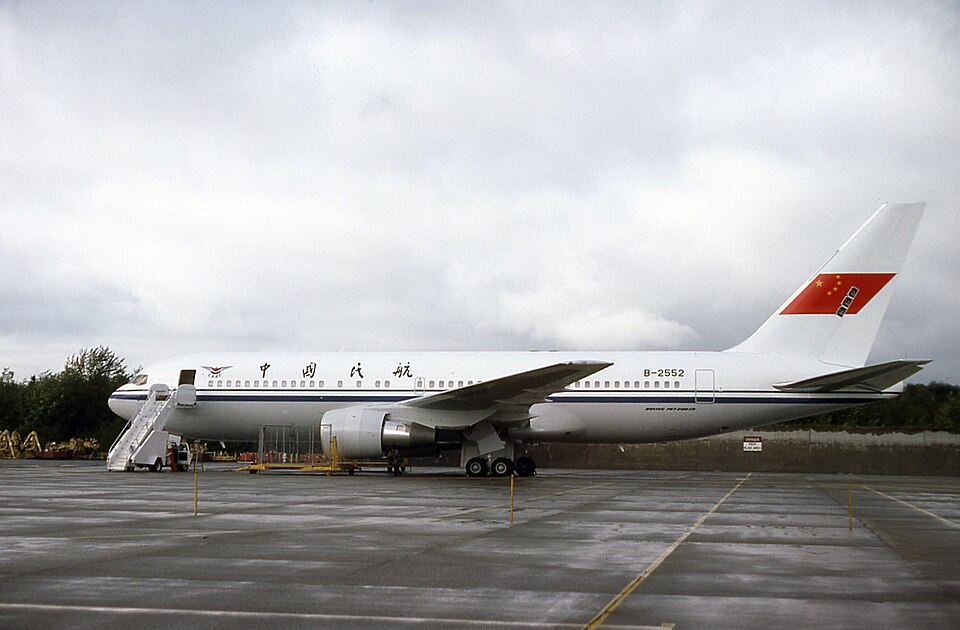
On April 15, 2002, at approximately 11:21:17 local time, Air China flight 129, a Boeing 767-200ER operated by Air China International (Air China), crashed on Mt. Dotdae during a circling approach to runway 18R at Busan/Gimhae International Airport (Gimhae Airport). The aircraft was en route from Beijing, China to Busan, Korea and was operating as a regularly scheduled international passenger service under instrument flight rules within Korean airspace.
Aircraft and Occupants
The aircraft was completely destroyed by impact forces and a post-crash fire. On board were one captain, one first officer, one second officer, eight flight attendants, and 155 passengers, totaling 166 persons. Of these, 37 survived—including the captain and two flight attendants—while 129 occupants, including both copilots, were killed.
Probable Cause
According to the official investigation, the probable cause was attributed to the following findings:
1. The flight crew performed the circling approach unaware of the weather minima for the Boeing 767-200, and did not include a missed approach briefing as specified in Air China's operations and training manuals. 2. The crew exhibited poor crew resource management and lost situational awareness during the circling approach, which led them to fly outside the circling approach area and delay the base turn, contrary to the captain's intention to execute a timely turn. 3. The flight crew did not execute a missed approach when they lost sight of the runway during the circling approach, resulting in a collision with high terrain near the airport. 4. When the first officer advised the captain to execute a missed approach approximately five seconds before impact, the captain did not react, and the first officer did not initiate the missed approach himself.