Incident Summary
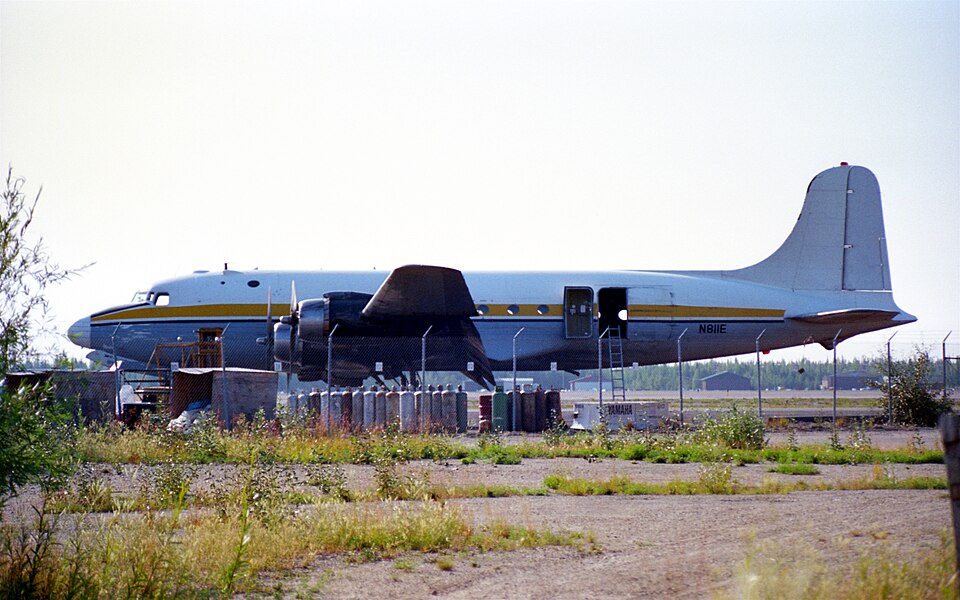
The aircraft landed on a runway where no official runway condition reports were available, though a local contact stated the runway was in good condition. Upon touchdown, the braking action was nil. The captain then maneuvered the airplane to a dry patch of dirt on the left side of the runway. When the main gear rolled onto the dry patch, the airplane veered sharply to the left and departed the runway.
Crew Statements
Both crewmembers stated that a go-around was not possible after the landing was initiated.
Performance Data
According to landing performance charts, the minimum landing runway length required was 4,500 feet on a dry hard surface runway. The actual runway length was 3,500 feet.
Probable Cause
The pilot-in-command's failure to perform proper preflight planning by not computing the required landing runway length.