No fatalities

2007-01-17: Douglas C-54 Skymaster (N82FA) — Brooks Fuel — Nenana, United States of America

Nenana, United States of AmericaFlight

On January 17, 2007, a Douglas C-54 Skymaster (registration N82FA) operated by Brooks Fuel was involved in an aviation accident near Nenana, United States of America in flight. No fatalities were reported. Investigators recorded the probable cause as: The failure of an engine cylinder during cruise flight, which resulted in an in-flight fire, and subsequent emergency gear-up landing on snow-covered tundra. A factor in the accident was the failure of the fire suppression equipment to extinguish the fire. This summary draws on records from the Bureau of Aircraft Accidents Archives (B3A); 6 related events involving the same aircraft type or operator are linked below.

Sourcesthe Bureau of Aircraft Accidents Archives (B3A)Primary reportUpdated 1781198334Data APIEditorial standards
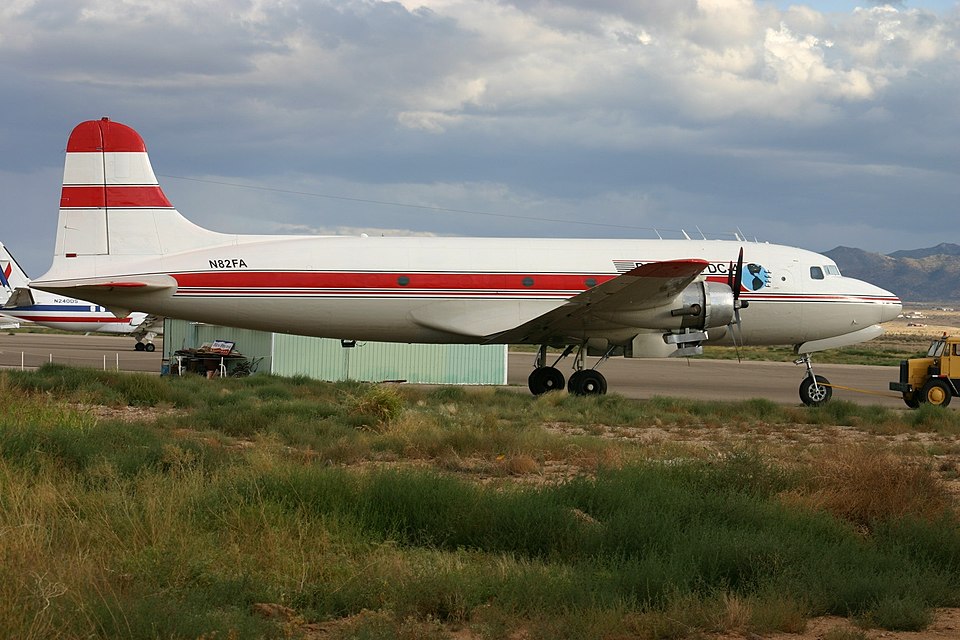
Aircraft registered N82FA
Aircraft registered N82FA. Photo: Aeroprints.com / CC BY-SA 3.0, via Wikimedia Commons

A four-engine cargo plane lost power in engine 2, which caught fire during shutdown. After a failed fire suppression attempt, the crew performed a gear-up landing on snow-covered tundra. The left wing was consumed by fire. Investigation attributed the fire to a failed overhauled engine cylinder.

Incident Overview

A four-engine airplane, operating under Title 14, CFR Part 125 for a cargo fuel delivery flight, experienced a loss of power in the number 2 engine during cruise. The captain decided to shut down the engine and return to the airport. During the shutdown procedure, the engine caught fire, prompting the crew to activate the fire extinguishing system. Although the crew initially believed the fire was extinguished, it reignited.

Emergency Response

In response to the re-eruption of the fire, the captain chose to perform an emergency landing. The aircraft touched down gear-up on snow-covered tundra. Upon landing, the left wing was entirely consumed by fire.

Post-Incident Inspection

Due to the remote location of the landing site, the National Transportation Safety Board (NTSB) did not examine the aircraft. However, company maintenance personnel conducted an inspection. Their examination revealed that an overhauled engine cylinder had failed at its base, which resulted in the fire.

Probable Cause and Contributing Factor

The probable cause of the accident was the failure of an engine cylinder during cruise flight, which resulted in an in-flight fire and subsequent emergency gear-up landing on snow-covered tundra. A factor in the accident was the failure of the fire suppression equipment to extinguish the fire.