Incident Summary
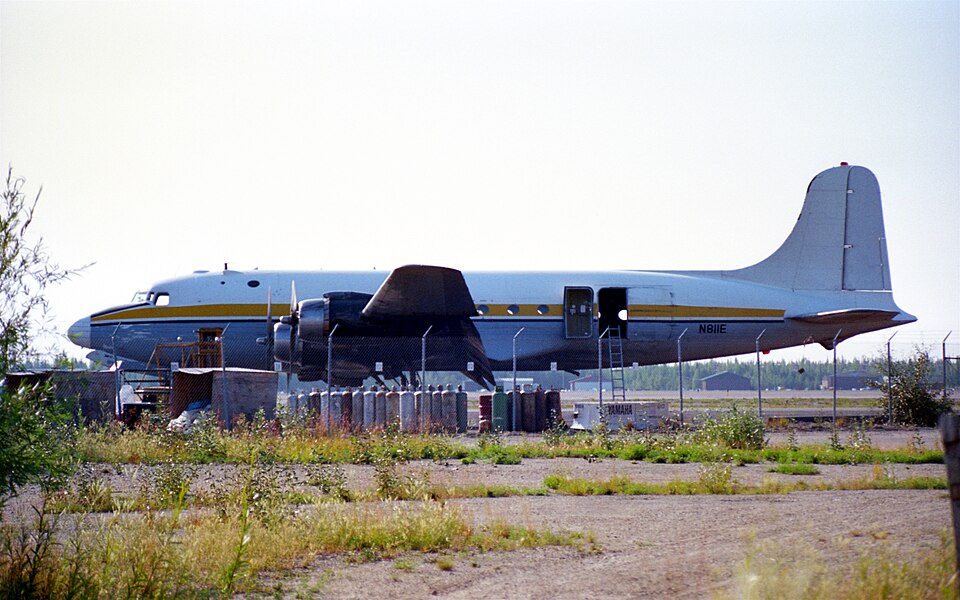
An airplane landed on a runway where the braking action was reported as nil. Prior to landing, the crew had not received any runway condition reports; however, a local contact indicated the runway was in good condition. After touchdown, the captain maneuvered the airplane to a dry patch of dirt located on the left side of the runway in an effort to improve braking. When the main landing gear rolled onto the dry patch, the airplane veered sharply to the left and subsequently departed the runway. Both crewmembers stated that a go-around was not possible at that point.
Pilot Actions
The captain, faced with nil braking action after landing, voluntarily steered the airplane toward a dry area adjacent to the runway. The decision was made to move the aircraft to the left side of the runway, where a patch of dry dirt was visible. The maneuver was executed without coordination with air traffic control or any prior advisory regarding the condition of that area. The crew did not attempt a go-around, as both pilots agreed it was not feasible given the circumstances.
Performance Considerations
According to the airplane's landing performance charts, the minimum required landing runway length on a dry, hard surface is 4,500 feet. The actual runway length at the time was 3,500 feet. The discrepancy between the required and available runway length was not addressed in the pre-landing briefings or considered during the approach. The airplane's performance data was based on a dry, hard surface runway, whereas the actual surface condition involved dirt and potentially reduced braking capability.