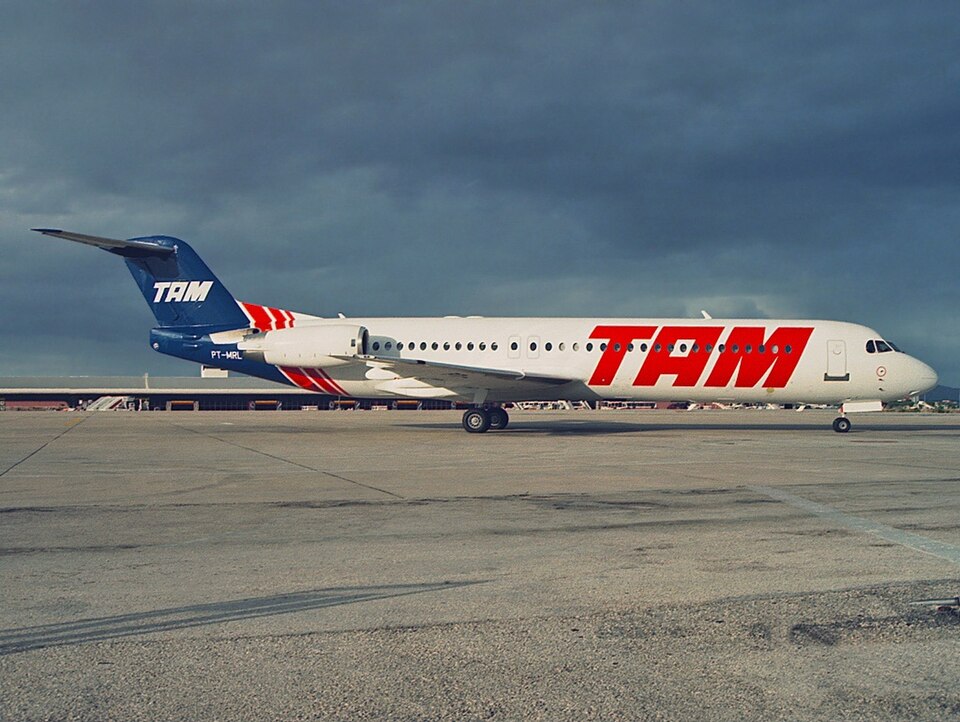
Incident Overview
On a scheduled service flight JJ3499 from Salvador-Deputado Luís Eduardo Magalhães Airport to São Paulo-Guarulhos Airport, the aircraft departed at 0846 local time with 33 passengers and five crew members. While cruising at an altitude of 35,000 feet, the crew encountered technical problems with the primary hydraulic system. The crew contacted air traffic control and was cleared to divert to Campinas-Viracopos Airport for an emergency landing.
Landing Gear Issues
During the approach, the crew was unable to lower the undercarriage, which remained blocked in the wheel well. The crew elected to lower the gear manually, and several troubleshooting attempts were unsuccessful. The decision was made to complete a belly landing on runway 33.
Aftermath
After touchdown, the aircraft slid for a few dozen meters and eventually came to rest. All 38 occupants evacuated safely. The aircraft was damaged beyond repair and was later transferred to the TAM Museum.
Probable Cause
According to official findings, the probable cause was a loss of hydraulic fluids on a hose separating a fitting from a pump on the right engine, causing the malfunction of the primary hydraulic system and resulting in the degradation of the mechanical system of the landing gear control command.