Background
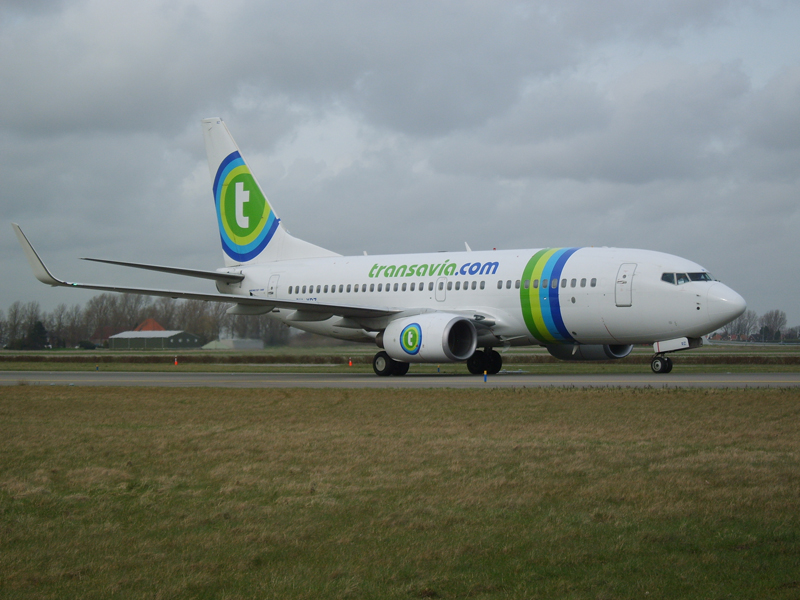
On 17 April 2016, a Boeing 737-700 aircraft with registration PH-XRZ, operated by Transavia Airlines, was involved in an incident at Barcelona-El Prat Airport (LEBL) in Spain. The incident was investigated by the Spanish Civil Aviation Accident and Incident Investigation Commission (CIAIAC).
Incident Sequence
The aircraft was operating flight TRA 513L. During the approach phase, a runway configuration change occurred due to wind conditions. This change led to additional delays and holding. Subsequently, the flight crew declared a MAYDAY with the phrase "MAYDAY FUEL," indicating a critical fuel level. Another aircraft, a G-EZBY operated by easyJet as flight EZY-2267, was also involved in the incident sequence, though details of the interaction are not specified in the public summary.
Investigation Findings
The CIAIAC investigation included analysis of flight recorders, crew statements, air traffic control (ATC) communications, and operational procedures. The report noted that the incident involved a fuel-related emergency declaration. The investigation also examined ATC management, the runway configuration change procedures, and the communications surrounding the MAYDAY declaration. The report's conclusions and causes were not fully released in the public summary, but the incident highlighted issues related to fuel management and coordination.
The report also referenced appendices detailing procedures for runway configuration changes at Barcelona and coordination between ATC stations. No injuries or aircraft damage were reported in the public summary.
Safety Measures
Following the incident, both ENAIRE (the Spanish air navigation service provider) and Transavia Airlines took measures to address the issues identified, though specific actions were not detailed in the public summary.