History of Flight
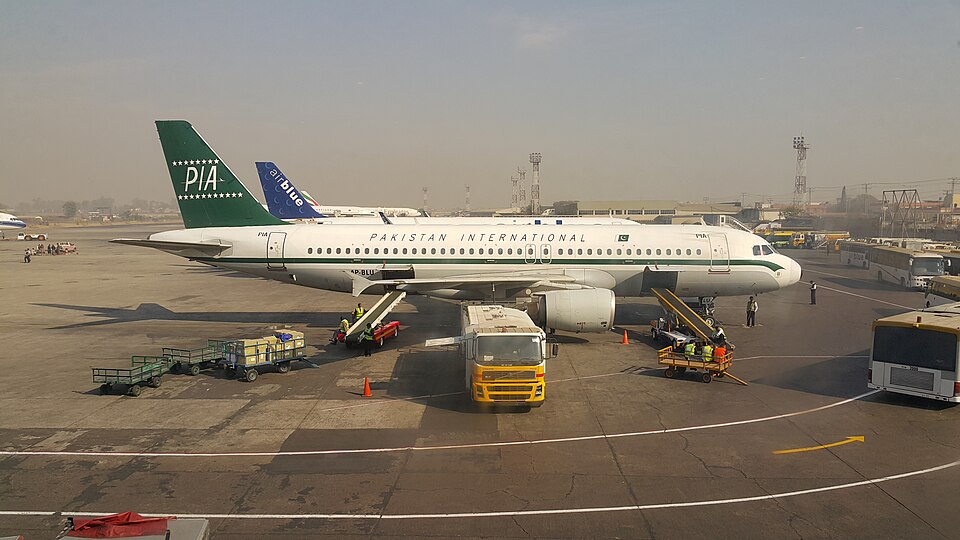
On 11 October 2017, Pakistan International Airlines (PIAC) flight PK-755, an Airbus A320-214 (registration AP-BLU), was operating a routine flight from Sialkot to Riyadh. During initial climb, the Electronic Centralized Aircraft Monitor (ECAM) displayed a smoke warning for the aft cargo compartment. The flight crew executed the ECAM procedures and diverted the aircraft to Lahore. Upon landing, no evidence of actual fire, smoke, or overheat was observed.
Injuries and Damage
No injuries to any persons were reported. The aircraft sustained no damage, and no other damage occurred.
Aircraft Information
The aircraft, manufacturer serial number 2719, was manufactured in March 2006 and had accumulated 35,171 hours and 16,918 cycles prior to the incident. It had undergone a daily inspection on 9 October 2017 and a transit check on the day of the incident. Maintenance records showed a history of smoke-related maintenance messages in the months preceding the incident.
Meteorological and Cargo Information
At departure from Sialkot, the relative humidity was above 70%. The cargo in the aft compartment included 444 kg of horse bridle, a chemically treated item, which could potentially contaminate the surrounding environment.
Investigation Findings
The smoke detection system was functionally tested and found normal, but as a precaution, two aft and one forward cargo smoke detectors were replaced, along with the Cabin Intercommunication Data System (CIDS) Director #1. Subsequent tests were satisfactory. The cargo fire extinguisher bottle was found discharged and was replaced.
Review of aircraft documents revealed that smoke warning messages had appeared three times in the month prior to the incident, each time cleared by resetting the system. All three removed smoke detectors had high operating hours (96% life availed for two, 75% for one), making them more susceptible to contamination.
According to Airbus ISI bulletins, contamination of smoke detectors by dust, fibers, or chemicals can cause spurious warnings. The combination of high humidity, detector age, and chemically treated cargo may have contributed to a false alarm.
Conclusion
The investigation concluded that the smoke warning was spurious, caused by contamination of the aft cargo smoke detectors. No actual fire existed. The aircraft returned to service after rectification and subsequent normal operations.