What happened
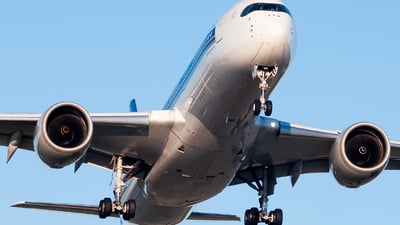
On June 27, 2025, an Airbus A350-900 aircraft with registration 9V-SMB, operated by Singapore Airlines, was conducting a scheduled passenger flight from Changi Airport in Singapore to Shanghai Pudong International Airport (PVG). The incident occurred during the descent phase at approximately 0918 UTC, when the aircraft encountered significant turbulence at an altitude of roughly 27,500 feet.
The flight crew had received pre-flight briefings indicating occasional cumulonimbus clouds along the route. Upon entering the Shanghai Flight Information Region, ATC instructed the aircraft to descend from its cruise altitude of 41,000 feet. As the aircraft began its descent, the weather radar displayed widespread weather returns ahead. The pilots identified two large weather cells flanking their intended path and estimated a clear gap of approximately 20 nautical miles between them.
Deciding that circumnavigating either cell would require excessive deviation or take the aircraft outside the flight information region boundary, the crew opted to fly through the clear corridor. They requested and received clearance from ATC for a heading change to align with this path. Shortly after exiting a layer of cloud, the pilots visually confirmed that the left weather cell was much closer than anticipated. The pilot flying immediately initiated a heading adjustment to avoid the cell but had not yet completed the maneuver when the aircraft struck severe turbulence.
The digital flight data recorder captured vertical acceleration spikes ranging from +0.66G to +2.63G over a short period. While the autopilot remained engaged and managed the aircraft's attitude, the sudden forces caused several cabin crew members to be thrown from their positions. One cabin crew member sustained a left ankle fracture, classified as a serious injury, while five others received minor treatment. No passengers were injured, and the aircraft sustained no structural damage.
The investigation
The Transport Safety Investigation Bureau of Singapore (TSIB) examined the flight data recorder, cockpit voice recordings, weather radar data, and meteorological reports. Key findings included:
- Weather Radar Limitations: The onboard weather radar detects moisture within convective clouds but does not show the full extent of the cloud structure. When the aircraft entered a cloud layer, visual reference was lost, forcing reliance on radar which provided an incomplete picture of the proximity to the weather cells.
- Decision Making: The crew exercised discretion by navigating through a 20NM gap, which was less than the recommended lateral clearance in some operational guidelines. However, this decision was deemed reasonable given the constraints of traffic and airspace boundaries.
- Cabin Safety Protocols: At the time of the incident, the fasten-seat-belt signs were on for passengers, but cabin crew were permitted to continue service duties. The investigation noted that instructing the cabin crew to be seated earlier could have mitigated the risk of injury.
Findings
The primary causal factors identified were:
1. Unforecasted Turbulence Extent: The turbulence extended beyond the moisture areas detected by the weather radar, a known limitation of the technology, particularly when visual cues are obscured by cloud layers. 2. Proximity to Convective Activity: The aircraft flew through a corridor between two rapidly developing cumulus areas. The proximity to the left cell was underestimated due to the lack of visual confirmation during the initial approach to the gap. 3. Cabin Crew Exposure: The decision to allow cabin crew to remain standing and working in the galley during descent into convective weather increased the severity of injuries when turbulence occurred.
Safety action
Following the incident, Singapore Airlines implemented several safety measures:
- Revised Standard Operating Procedures: The operator updated its Standard Cabin Procedures to encourage a more conservative approach to turbulence management. Pilots are now urged to proactively secure the cabin during climb and descent phases when convective weather is suspected.
- Training Updates: Unanticipated turbulence scenarios were integrated into joint technical and cabin crew training programs, ensuring all staff have completed this specific module.
- New Technology: A Rapidly Developing Cumulus Area (RDCA) tool was introduced to the flight crew's electronic tablets. This tool provides enhanced nowcasting data to help pilots identify areas of cumulus clouds that may quickly intensify into thunderstorms, improving situational awareness beyond standard weather radar data.