Iberia marks 80 years of the cabin crew profession in Spain
Iberia is commemorating eight decades since the role of the passenger cabin crew member was formalised in Spain, tracing it to the airline's first transatlantic commercial flight in 1946.
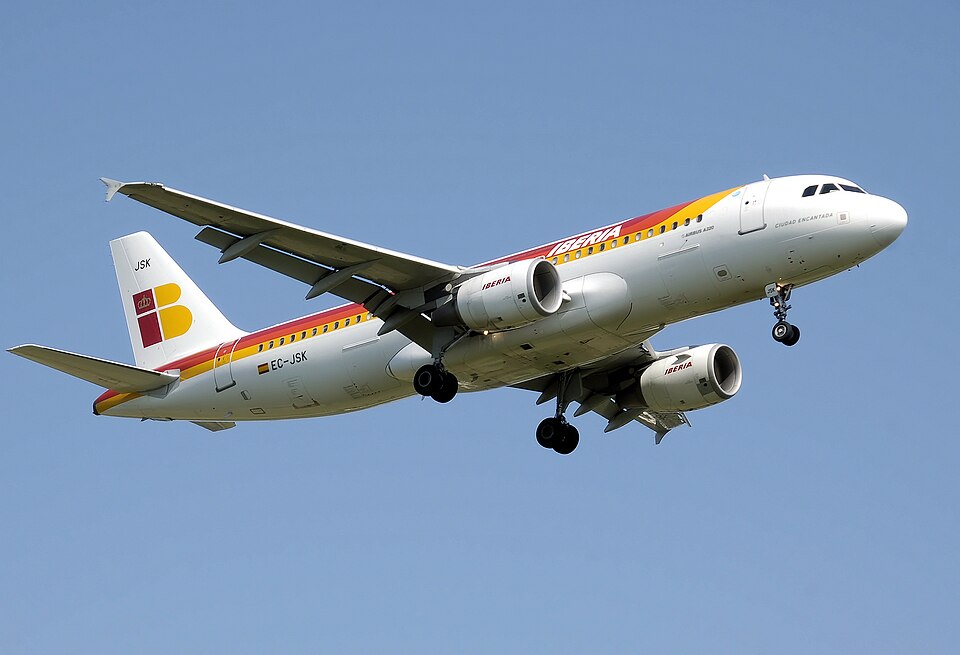
Iberia is marking 80 years since the passenger cabin crew profession was established in Spain, a milestone the carrier links to its first transatlantic commercial flight.
The role was formalised on 15 October 1946, when Iberia flew from Madrid to Buenos Aires on a Douglas DC-4. The journey took about 36 hours and included technical stops at Villa Cisneros in Western Sahara, Natal and Rio de Janeiro. According to the airline, 28 passengers were on board, paying 11,435 pesetas for a one-way ticket and 20,583 pesetas for a round trip.
Early names considered for the job included aeromozas, aeroviarias, mayordomas and provisorias before azafata was formally adopted. The first selection process brought in four women: Pilar Mascías, Marichín Ruiz, María José Ugarte and Ana Marsans. Fluency in languages, mainly English, was a requirement for hiring. In 1947 Fernando Castillo, then a waiter at a Madrid luxury restaurant, joined the airline and became its first male cabin crew member.
In that early period the work was strictly assistential, centred on reassuring travellers and serving them on board. The menu on the inaugural flight consisted of fried chicken, Spanish omelette, boiled egg and chocolates, handed out in small cardboard boxes. Iberia says the role has since evolved into a key part of on-board safety.
Madrid → Buenos Aires
Check flights on this routeTurbulence forecast for MAD–EZE →
Sources
- aviacionaldia.comIberia conmemora 80 años de la figura del Tripulante de Cabina en España: de la asistencia a la seguridad operacional