Incident Overview
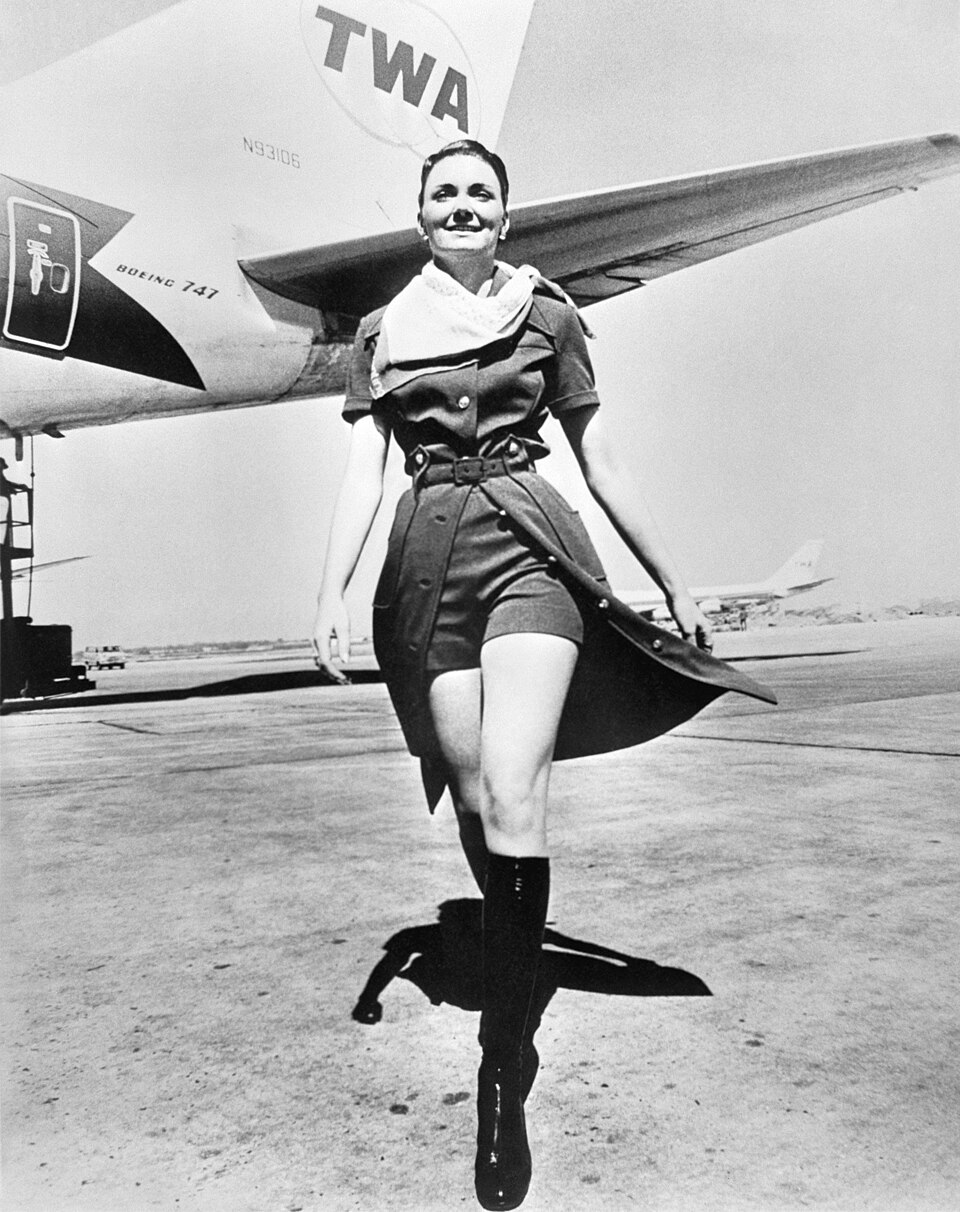
During darkness, a Boeing 747, registration N93106, was being taxied for departure when its left wing collided with the right wing of a Boeing 767 that was being towed in the same direction on a parallel taxiway. Both aircraft were wide-body types.
Clearances and Call Signs
Both crews had obtained ground control clearances to perform their respective operations. The towed aircraft was being moved from Gate 75 with the call sign "United 75 Tow," derived from the company name (United), the gate number (75), and the word "Tow." Meanwhile, United Flight 75 obtained clearance to taxi, but the controllers stated that they did not confuse the call signs.
Taxiway Configuration and Procedures
In the area of the collision, the taxiways did not have sufficient separation for simultaneous operations of wide-bodied aircraft. Standing procedures for ground controllers prohibited such operations. The ground control position was being worked by a developmental controller in training under the supervision of a full performance controller.
Conclusion
The incident occurred under darkness involving a Boeing 747 (N93106) and a Boeing 767 being towed. The lack of adequate separation between the parallel taxiways and the prohibition of simultaneous wide-body operations were identified as conditions present at the time of the collision.