Incident Overview
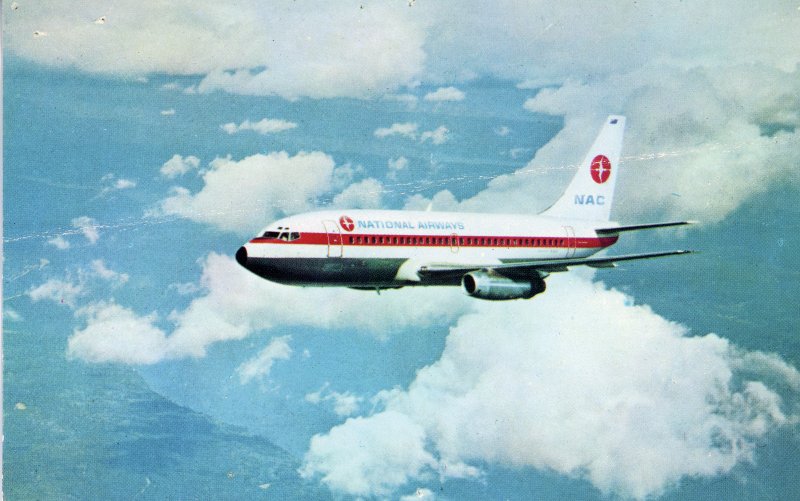
A Boeing 747SP collided with the tail of a Boeing 737 at an airport. The 737 was lined up on a parallel taxiway awaiting departure, while the 747 was taxiing from a terminal gate to maintenance. The 747 was operated by two mechanics, one of whom was not qualified to taxi the aircraft.
Aircraft Condition
During the taxi, the No. 4 engine was hung start and not running. The No. 4 hydraulic system, which provides primary power for the aircraft brake system, was switched off. Additionally, the inertial navigation system (INS), required for speed reference while taxiing, was also switched off.
Sequence of Events
The 747's speed became excessive on the parallel taxiway. When the mechanic attempted to stop the aircraft, there was no brake power. The right wing of the 747 struck the tail of the 737.
Background
The airline maintenance supervisor of the 747 was aware that the mechanic was not qualified to taxi the aircraft and that the No. 4 engine was not operating. Despite this, a decision was made to let the aircraft taxi, contrary to established procedures.