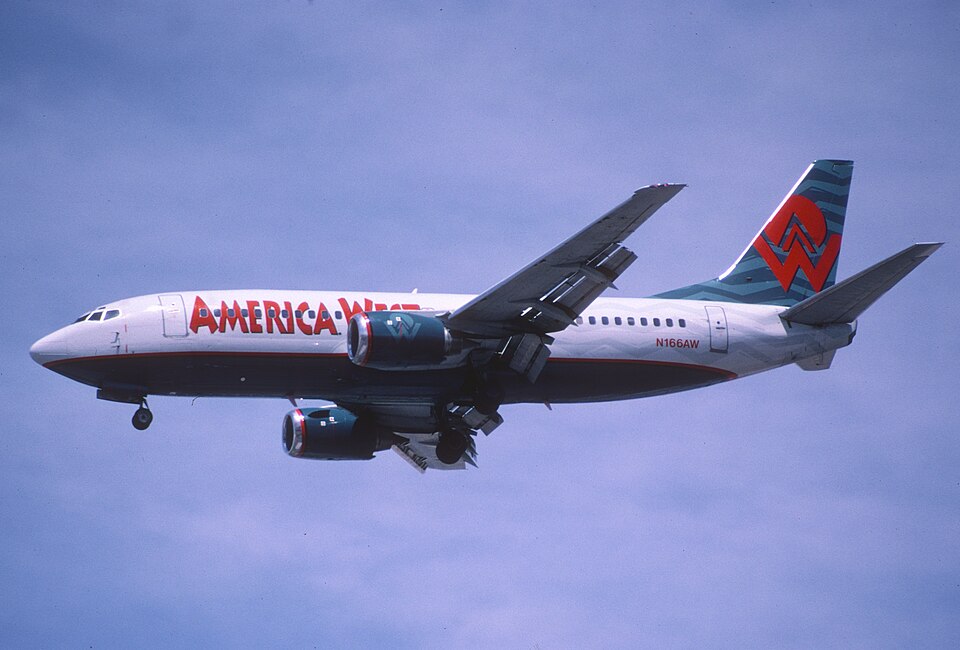
Circumstances
The aircraft was conducting an instrument landing system (ILS) approach in conditions of ground fog and bright night. The pilot-in-command failed to attain the glide slope, and the copilot did not advise him of this deviation. The appropriate rate of descent for the glide slope at the approach ground speed was approximately 360 feet per minute.
Sequence of Events
When the aircraft was 300 feet above the ground, the pilot descended through the glide slope at a rate of descent of 1,215 feet per minute. The rate of descent at touchdown was approximately 600 feet per minute, and touchdown occurred 1,095 feet short of the runway threshold. Following the initial touchdown, the aircraft became airborne, then touched down a second time. During the ground roll, the aircraft impacted five sets of approach lights located off the end of the runway. As the aircraft rolled onto the runway threshold, it again became airborne, at which point the crew abandoned the approach and proceeded to an alternate destination.
Aftermath
Upon arrival at the alternate, the crew performed a fly-by so that the tower could assess possible landing gear damage. This was followed by a normal landing.