Incident Overview
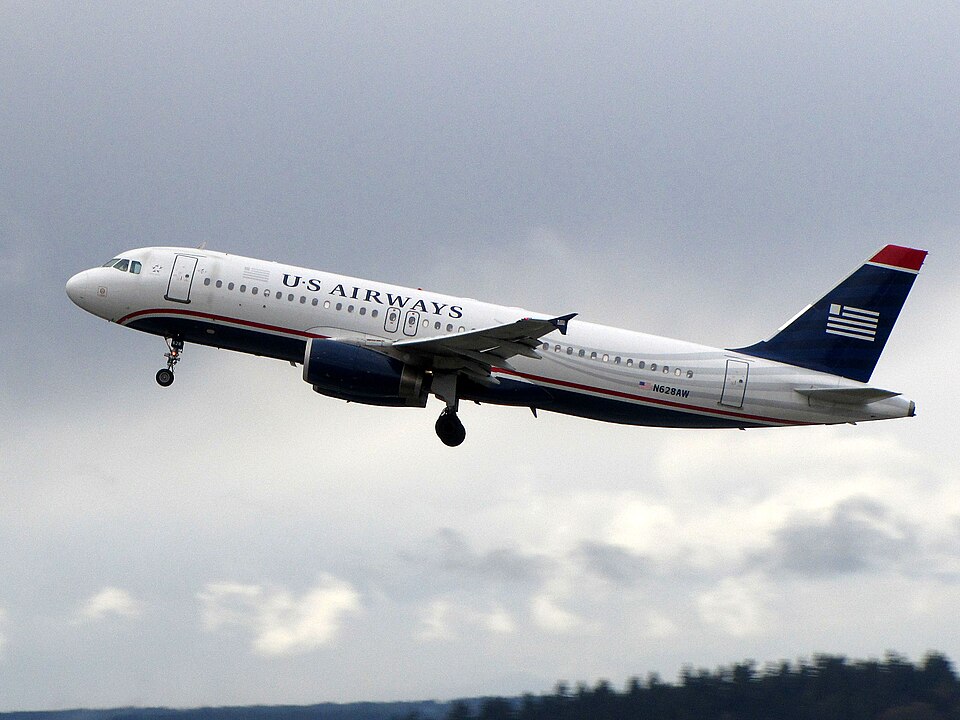
During the approach, the flight crew received landing gear control and interface unit (LGCIU) fault indications when the landing gear was lowered. A visual fly-by of the aircraft confirmed that the nose wheels were rotated 90 degrees from the correct orientation for landing.
Landing and Evacuation
The captain executed a normal touchdown despite the nose wheel misalignment. Following the landing, the captain ordered an emergency evacuation using the overwing exits.
Investigation Findings
Post-incident examination of the aircraft revealed that the external O-rings in the steering control valve had extruded. This allowed pressurized hydraulic fluid to bypass, rotating the nose wheels to the observed position.
Prior Occurrence and Service Bulletin
This type of event had occurred previously. The manufacturer had issued a service bulletin addressing the issue. The operator had not complied with the service bulletin, although compliance was not mandatory.