Incident Overview
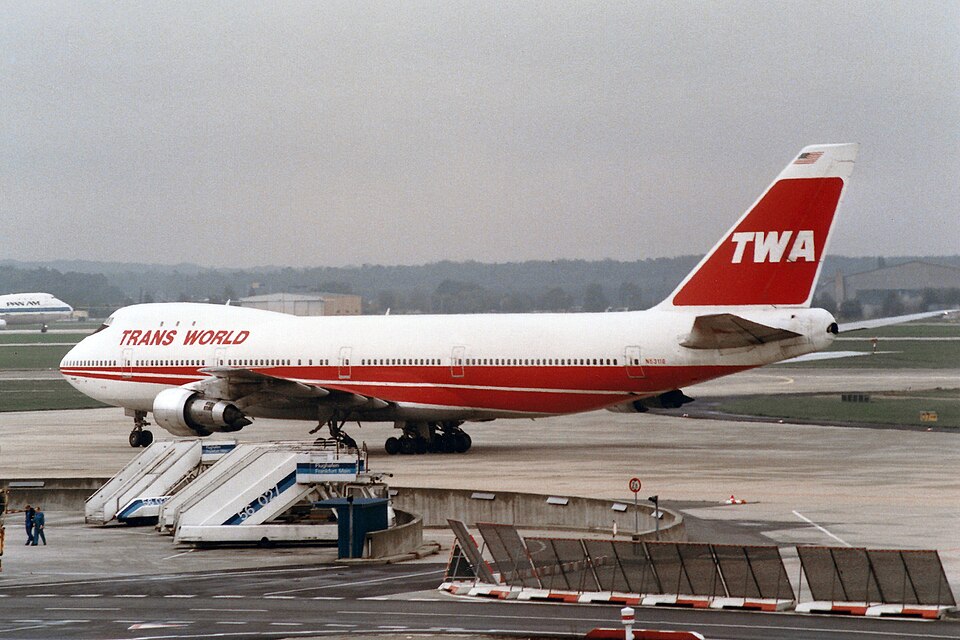
During the landing roll of an aircraft, the left main gear outer cylinder separated from the landing gear assembly. The separation occurred without prior indication, and subsequent metallurgical analysis was performed to determine the root cause.
Metallurgical Findings
Examination of the fractured cylinder revealed a pre-existing fatigue crack located in the Schrader valve hole. The hole, including the fatigue crack region, was coated with a layer of nickel. This nickel layer had been applied during a previous overhaul to restore the part's original tolerances.
Crack Initiation
The fatigue cracking initiated from a gouge or filing mark within the nickel layer. This mark was measured at 0.009 inches in depth. Similar nearby marks were also present on the surface.
Non-Compliant Overhaul Work
Due to the presence of these marks, the corner at the fatigue initiation location failed to meet the overhaul requirement of a radius between 0.6 and 0.9 inches. Additionally, a bevel found in the nickel layer at this corner did not comply with the specified corner requirement.
Cylinder History
The cylinder had accumulated 82,131 total hours of service and 14,951 cycles. It was last overhauled and returned to service on September 30, 1988.
Investigation Conclusion
The investigation determined that the gouges and filing marks were the source of the crack, leading to the fatigue failure and subsequent separation of the landing gear cylinder.
Probable Cause
A pre-existing fatigue crack in the Schrader valve hole of the left main gear outer cylinder, initiated by a gouge or filing mark in a nickel layer applied during overhaul, and associated non-compliance with overhaul radius and bevel requirements.