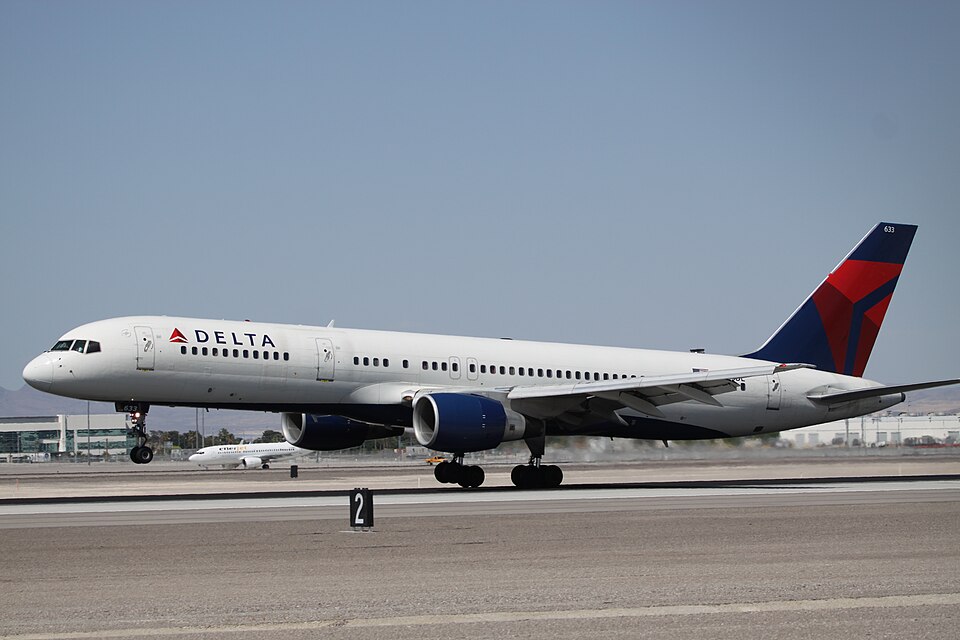
Incident Overview
The aircraft was pushed back from the gate, and the left engine was started without any discrepancies reported. During the start of the right engine, numerous passengers observed torching aft of the tailpipe. This caused a commotion, drawing the attention of three of the four flight attendants, who reported seeing an orange glow either inside or outside the aircraft. The captain later reported no abnormal engine indications in the cockpit but secured the right engine. He then secured the left engine after simultaneously noticing passengers on the ramp and illumination of entry door lights.
Flight Attendant and Passenger Actions
A flight attendant reported that a male passenger, larger than she, approached her at door 2L and attempted to open it by partially rotating the 2L door handle. The door did not open fully but was 'cracked.' The flight attendant eventually opened the door completely and locked it against the fuselage. The male passenger immediately exited, followed by several other passengers. She then opened the 2R door, and passengers also exited that door. Additionally, passengers evacuated via doors 3L and 3R, which another flight attendant opened.
Fuel Flow Data
Readout of the flight data recorder revealed that at the time the right engine fuel cutoff switch was recorded to be in the 'run' position, the recorded fuel flow was 1,696 PPH. Within approximately 2 seconds, fuel flow rose to 3,136 PPH. The maximum recorded fuel flow of 6,272 PPH occurred 2 seconds before the fuel cutoff switch was recorded to be in the 'cutoff' position, which was 24 seconds after the switch was in the 'run' position. In contrast, within 4 seconds of the left engine fuel cutoff switch being in the 'run' position for engine start, the recorded fuel flow was 544 PPH. Review of the previous eight engine starts revealed that left and right fuel flows were nearly matched, with no recorded fuel flow value greater than 580 PPH within the first 4 seconds after the fuel cutoff switch was in the 'run' position. Flight crews are trained that during hot starts, fuel flow almost immediately exceeds 700 PPH. The engine start procedures checklist indicates that the engine start is to be aborted if abnormally high or fluctuating fuel flow is noted.