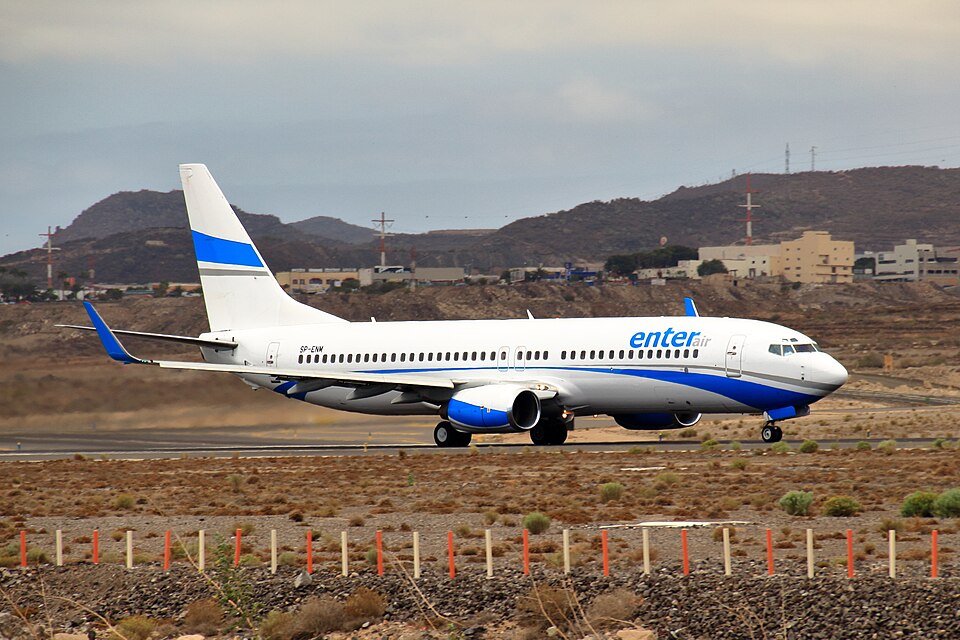
Incident
On March 6, 2022, the crew of flight ENT5159 departed from HEGN (Hurghada International Airport) bound for HTZA (Zanzibar). Approximately one hour after takeoff, while cruising at altitude, a fire alarm activated in the forward cargo compartment. The flight crew executed the fire suppression procedures as detailed in the Quick Reference Handbook (QRH) and consistent with the Flight Crew Training Manual (FCTM). They then diverted back to the departure airport and performed a safe landing, despite the aircraft's weight exceeding the maximum landing weight. Subsequent inspection revealed no actual fire.
Cause
The activation of the fire alarm in the forward cargo holds was caused by the false activation of two fire detectors installed in compartments A1 and B1.
Contributing Factors
The investigation noted that operations in an equatorial zone with increased humidity, combined with the use of disinfectants that can further raise humidity levels in cargo spaces, may have contributed to the false alarms.
Corrective Actions
The operator replaced the faulty detectors and has implemented monitoring of trends and frequency of such failures. This was the second such event within 12 months.